Lemon Embroidery Design: A Craft Fair Seller’s Review
As an embroidery designer who has spent countless weekends behind a booth table, I know that not every design translates into sales. Some look beautiful on a screen but disappear in person. Others are too complex for quick production. When I first loaded the Lemon machine embroidery design onto my hoop, I was looking for that specific spark—the kind of visual pop that stops a browser in their tracks at a busy handmade market. This review is written from the perspective of a creator preparing for a high-stakes craft fair, evaluating whether this cute citric motif deserves a prime spot on my best-selling tote bags and aprons.
First Impressions: Bright, Bold, and Undeniably Cheerful
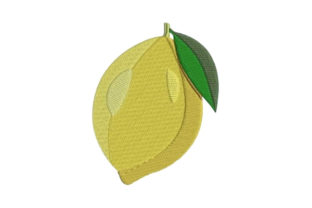
The immediate vibe of the Lemon design is undeniably fresh. In the world of Food-themed Embroidery, citrus motifs often lean toward rustic farmhouse or modern minimalism. This design strikes a balance that feels approachable and fun. It does not try to be overly elegant or stiff; instead, it offers a friendly, hand-drawn aesthetic that appeals to a wide demographic. For a craft fair seller, this is crucial. You need a design that communicates its subject instantly. There is no ambiguity here. The bright yellow tones and simple shape make it readable from three feet away, which is the average distance a potential customer stands before engaging with your display.
The description notes that it is perfect for all citric lovers, and visually, it delivers on that promise. It feels like a summer day stitched into fabric. This emotional connection is what drives impulse buys. When a shopper sees this on a tea towel or a tote bag, they do not just see a fruit; they see a mood. They see freshness, cleanliness, and joy. That is the psychological hook we are aiming for with every craft fair product.
Product Versatility: Where Lemon Shines
The true test of any digital embroidery file is its versatility. Can it work on a curved cap? Does it get lost on a textured towel? I evaluated Lemon across several standard small shop products to determine its best use cases.
- Tote Bags and Market Bags: This is arguably the strongest application. A large hoop size allows the Lemon design to sit centrally on a canvas tote. The bold lines hold up well against the weave of canvas, making it a standout tote bag design. It transforms a basic utility item into a statement piece.
- Apron Embroidery: Placed on the bib or the lower pocket, this design adds a playful touch to kitchen wear. It appeals directly to home cooks and hosts, making it an excellent gift item. The contrast of yellow thread against navy, white, or natural linen aprons creates a high-impact visual.
- Tea Towel Embroidery: Here, caution is required. Tea towels have a loose weave. If the stitch density is too low, the fabric may pucker or show through. However, if the design uses a satin stitch border or adequate underlay, it can look charmingly rustic. It works best as a corner accent rather than a massive central focal point.
- Embroidered Patches: Creating iron-on patches is a fantastic way to utilize scrap fabric. Lemon’s clear outline makes it ideal for cutting out as a patch. These are low-cost, high-margin items that serve as great add-ons at checkout.
- Caps and Hats: Curved surfaces are tricky. If the design is too wide, it will distort on the front panel of a cap. I recommend checking the width dimensions carefully. If it fits within a standard 4x4 or 5x7 hoop without excessive widening, it can be a cute accent on a dad hat or baseball cap.
Production Practicality for the Busy Maker
When you are producing inventory for a weekend market, time is money. A design that takes four hours to stitch is not sustainable for batch production. While the exact stitch count is not provided in the brief, the visual simplicity of Lemon suggests it is likely optimized for speed. Simple shapes with fewer color changes mean less thread trimming and faster hooping. This efficiency allows you to create more finished product in less time, increasing your profit margin.
Photography is another critical factor. Etsy sellers and digital sellers know that lighting can make or break a listing. Yellow is a notoriously difficult color to photograph accurately because it can blow out in bright light or look muddy in shadows. However, the high contrast inherent in the Lemon design helps. When paired with dark or neutral backgrounds, the yellow pops beautifully in photos. This makes it easier to create compelling printable mockup images and social media content that drives traffic to your shop.
Careful-Use Notes and Technical Considerations
Even the cutest design has its pitfalls. As an experienced designer, I must highlight areas where Lemon requires careful handling to ensure professional quality.
Fabric Texture and Density: On thick fabrics like denim or heavy canvas, ensure your needle is sharp enough to penetrate without causing jumps. On textured towels, the tiny details might get lost. If the design includes small internal details, consider simplifying them or using a cut-away stabilizer to prevent distortion. Always test the design on scrap fabric that matches your final product material. Do not skip this step.
Thread Colors and Contrast: The success of this design relies heavily on thread colors. A pale yellow on a cream background will vanish. Use vibrant, saturated yellows for the fruit and contrasting greens for the leaves. If you are stitching on dark fabric, consider using a lighter underlay or even a white base layer to make the yellow appear brighter and more true-to-color.
Hoop Size and Placement: Confirm the hoop size compatibility before purchasing. If you only have a 4x4 hoop, ensure the design scales down without losing clarity. Tiny lettering or intricate stitches can become a tangled mess if reduced too much. For commercial embroidery purposes, consistency is key. Mark your hoop placement precisely to ensure every tote bag has the design in the exact same spot.
Boosting Brand Consistency and Buyer Engagement
Incorporating Lemon into your product line can strengthen your brand identity if you position it correctly. It fits seamlessly into themes of summer, kitchen decor, gardening, and fresh living. By using this design across multiple items—towels, bags, and patches—you create a cohesive collection. Cohesive collections sell better than random individual items because they encourage bundle purchases.
For boutique makers, this design adds a layer of handmade quality that mass-produced goods cannot replicate. The slight texture of the stitches adds tactile value. Customers love to touch embroidery. When they feel the raised stitches of the Lemon design, it confirms the item is handmade, justifying a higher price point. It turns a simple commodity into a cherished keepsake.
Final Verdict for the Craft Fair Booth
After reviewing the visual appeal and practical application, I believe Lemon is a strong contender for any spring or summer craft fair lineup. It is easy to understand, quick to produce, and visually striking. It works exceptionally well as a tote bag design and apron embroidery, offering the best balance of visibility and production ease.
Before you begin bulk production, remember to check the specific file formats included in the download to ensure compatibility with your machine. Verify the commercial licensing terms to confirm you can sell the finished product. Create at least one real mockup to test stitch density and thread contrast. If you manage these technical details, Lemon has the potential to be a top seller in your small shop product range, bringing a burst of sunshine to your customers and your bottom line.