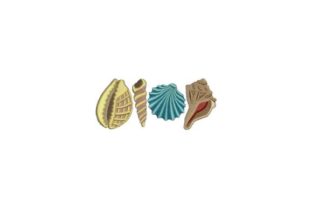
Seashells Embroidery: A Designer’s Craft Fair Review
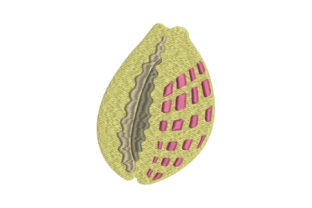
As an embroidery designer who has spent countless weekends behind a booth table, I know that not every design translates into sales. Some look beautiful on a screen but fail to catch the eye of a passing customer. Today, I am reviewing Seashells, a machine embroidery design that promises to bring a nautical touch to your sewing projects. With its focus on gorgeous satin stitch details, this piece sits squarely in the Fish category, appealing to those who love coastal aesthetics. Let’s break down whether this digital embroidery file is worth your time and hoop space for your next handmade market.
First Impressions: Coastal Elegance Meets Satin Shine
The moment I loaded the preview for Seashells, the first thing that struck me was the balance between simplicity and texture. In a world of overly complex designs, this one feels refreshingly clean. It does not scream for attention with chaotic colors; instead, it invites closer inspection through its stitch work. The description highlights "gorgeous satin stitch details," and in my experience, satin stitches are what make a finished product feel premium. They catch the light, adding a subtle sheen that flat fill stitches often lack.
This design feels elegant yet approachable. It is not overly rustic or strictly farmhouse; it leans more towards a modern coastal vibe. For a craft fair seller, this versatility is key. It appeals to the beach-loving tourist, the home decor enthusiast, and the parent looking for a cute summer gift. It avoids being too childish, which broadens your potential customer base significantly.
Product Potential: Where Seashells Shines
When preparing my booth display, I always ask: "Where does this design live best?" For Seashells, the answer lies in soft, natural fabrics that complement the nautical theme. Here is how I envision this embroidery file performing across various small shop products:
- Tote Bag Design: This is arguably the strongest contender. A canvas tote with Seashells embroidered on the corner or center becomes an instant summer essential. The satin stitches provide durability against the wear and tear of a market bag, while the theme fits perfectly with beach trips or grocery runs.
- Tea Towel Embroidery: Kitchen linens are high-volume sellers. Embroidering Seashells on a waffle-weave or linen tea towel adds a touch of luxury. However, you must be mindful of fabric texture. If the weave is too loose, the satin stitches might pucker. Always test on your specific towel stock.
- Apron Embroidery: A half-apron with a coastal motif sells well in tourist-heavy areas. Placing the design on the bib or near the pocket creates a focal point that elevates a simple garment into a boutique item.
- Embroidered Patch: If you offer patches, Seashells could work as an iron-on accent for denim jackets or hats. Ensure the edges are tightly stitched to prevent fraying after repeated washing.
- Pillow Covers: For home decor, this design works beautifully on neutral-toned pillowcases. It acts as a subtle accent rather than an overwhelming statement, fitting well with current interior design trends.
Production Practicality for the Busy Maker
As an Etsy seller or boutique maker, time is money. You need designs that are repeatable and reliable. Seashells appears to be designed for efficiency. The satin stitch details suggest a moderate stitch density, which is crucial. If the density is too high, you risk needle breaks and thread tension issues, especially on thinner fabrics. If it is too low, the backing might show through.
One major advantage of this design is its clarity at a glance. Customers walking past your booth do not have time to decipher complex imagery. Seashells is instantly recognizable. This immediate understanding reduces the cognitive load for the buyer, making the decision to purchase faster. Furthermore, because it is a single motif rather than a full-scene composition, it photographs exceptionally well for online listings. A close-up shot of the satin threads against a crisp white fabric creates a high-quality printable mockup that looks professional without needing extensive editing.
Careful-Use Notes and Technical Considerations
While Seashells is promising, there are technical hurdles you must navigate to ensure a high-quality finished product. As a designer, I advise paying close attention to the following:
- Fabric Texture and Stability: Satin stitches require a stable surface. Avoid using this design on highly textured towels or stretchy knits without proper stabilization. A cut-away stabilizer is often safer for items that will be washed frequently, like tea towels and tote bags.
- Thread Colors: The success of this design relies heavily on thread contrast. Since it is a shell design, traditional whites and creams are obvious choices, but consider soft pastels or even metallic threads for a festive, premium look. Test your thread colors on scrap fabric first. What looks good on screen may disappear on certain fabric shades.
- Size and Clarity: Be cautious when resizing. If you shrink Seashells too much, the satin stitches may become too dense, causing bunching. Conversely, if you enlarge it significantly, you might see gaps between stitches. Stick to the recommended hoop size provided with the digital embroidery file to maintain integrity.
- Curved Surfaces: If you plan to put this on caps, remember that curved surfaces distort designs. You may need to adjust the placement or use a specialized cap frame to ensure the shells do not look warped.
Boosting Brand Consistency and Buyer Engagement
Incorporating Seashells into your product line can strengthen your brand identity if you position yourself as a coastal or nature-inspired maker. Consistency builds trust. If your booth features a cohesive color palette and theme, customers are more likely to perceive your handmade product as high-value. This design supports that narrative by offering a polished, professional look that differs from amateurish, pixelated prints.
Moreover, commercial embroidery allows you to scale. Once you have perfected the settings for Seashells on one item, you can replicate it across dozens of products. This batch production capability is essential for maximizing profit margins at craft fairs. Instead of spending hours on unique, one-off pieces, you can create a collection of matching tote bags, aprons, and towels that look like a curated set.
Final Designer Verdict
Before you commit to producing a large inventory, treat Seashells with the respect it deserves. Test the design on scrap fabric that matches your final product material. Check the stitch density by running a sample and feeling the back of the embroidery. Is it stiff? Does it pull the fabric? These are signs you may need to adjust your tension or stabilizer.
Also, confirm the licensing terms. Most digital embroidery files come with specific rules for commercial use. Ensure you have the right to sell the finished product, especially if you are an Etsy seller or attending large markets. Create at least one real mockup—photograph the embroidered item in natural light—to see how the satin stitches reflect the sun. This image will be your most powerful tool for attracting buyers online and in person.
In conclusion, Seashells is a strong contender for your next craft fair lineup. It offers the right blend of aesthetic appeal and production practicality. By focusing on high-quality materials and precise stitching, you can transform this simple Fish-themed design into a standout Embroidery product that resonates with customers seeking that perfect nautical touch.