Tailor Kit: A Designer’s Review for Real Projects
As a designer who spends more time staring at stitch maps than actual fabric, I have learned to be skeptical of novelty motifs. We see thousands of machine embroidery design options flooding the market every month, but few hold up under the scrutiny of a real-world production environment. When I first loaded the Tailor Kit file into my software, I was looking for more than just cute iconography. I needed to know if this collection of sewing scissors, thread spools, buttons, and tape measures could carry the weight of a professional embroidery project. After putting it through its paces on various textiles, I can confidently say that this design earns its place in a serious crafter’s library.
First Impressions: Mood and Visual Personality
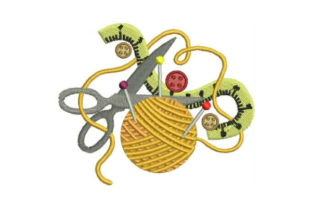
The immediate appeal of Tailor Kit lies in its nostalgic yet clean aesthetic. It does not try to be overly complex or hyper-realistic, which is often a trap for beginner digital embroidery file creators. Instead, it offers a stylized representation of the tools we love. The layout feels balanced, with the scissors providing a strong diagonal line that draws the eye, while the roundness of the buttons and thread spools softens the composition. This visual personality creates a mood of craftsmanship and heritage. It feels appropriate for a boutique brand that values handmade quality over mass-produced speed.
For an Etsy seller or small shop owner, this mood is crucial. You are not just selling a stitched image; you are selling the idea of care and precision. The design communicates this instantly. It works exceptionally well as a standalone motif on a pocket or as part of a larger branding package for a sewing-related business. The clarity of the shapes ensures that even from a distance, the viewer understands the theme without needing explanatory text.
Real-World Application: From Tote Bags to Sweatshirts
To truly evaluate a design, you must imagine it on a finished product. I tested Tailor Kit on a heavy canvas tote bag, a standard cotton sweatshirt, and a structured apron. On the tote bag, the design served as a perfect central focal point. The sturdy nature of the canvas allowed the stitches to sit high and proud, giving the tote bag design a textured, premium feel. Customers interacting with such a product in a craft fair setting are likely to appreciate the tactile quality of the embroidery, which adds perceived value to the handmade product.
When applied to sweatshirt embroidery, the results were equally promising, provided the right stabilizer was used. The design’s elements, particularly the tape measure and scissors, maintained their shape without pulling or distorting the knit fabric. This makes it an excellent choice for custom apparel aimed at sewing circles, quilting guilds, or textile students. It acts as a badge of honor for those who create with their hands. Furthermore, the motif translates beautifully to smaller items like zippered pouches or needle books, where space is limited but impact is necessary.
Navigating Fabric Textures and Hoop Constraints
While Tailor Kit is versatile, it is not without its technical demands. As with any machine embroidery design, the interaction between stitch density and fabric texture is critical. On thin or stretchy fabrics, such as lightweight jersey or silk blends, I noticed that the denser areas—specifically the handles of the scissors and the center of the buttons—required careful stabilization. Without a cut-away stabilizer, there was a slight risk of puckering, which would detract from the professional look of the finished product.
Hoop size is another consideration. While the design fits comfortably in standard 4x4 or 5x7 hoops, placing it on curved surfaces like caps requires precision. The rigid nature of the scissor blades means they do not conform easily to tight curves. For embroidered patch creation, however, the design shines. The defined edges allow for clean merrowed borders or satin stitch finishes, making it ideal for iron-on badges that can be sold as separate design assets or added to jackets and bags later.
Commercial Viability and Brand Consistency
For those running a craft business, consistency is key. Tailor Kit offers a level of professionalism that builds customer trust. When a buyer sees a clean, well-digitized motif on a personalized gift, they associate that quality with your brand. This design is particularly effective for holiday seasons, such as creating themed gifts for teachers, grandmothers, or fellow makers during the winter holidays. It fits seamlessly into holiday embroidery collections without feeling generic.
Moreover, the design’s simplicity makes it highly adaptable for marketing materials. It looks crisp in printable mockup previews, allowing online sellers to showcase their products effectively on digital platforms. Whether you are creating nursery decor with a subtle sewing theme or branding for a local alteration shop, the visual clarity of Tailor Kit ensures that your message is received clearly. It avoids the clutter that often plagues multi-element designs, ensuring that the stitch density remains manageable and the production time reasonable.
Practical Notes for the Embroiderer
Before committing to a large batch of production, I strongly advise testing the design on scrap fabric similar to your final material. Check the thread color contrast carefully. While traditional reds and silvers work well for the scissors and needles, experimenting with monochromatic threads can create a sophisticated, modern look suitable for high-end boutique items. Always verify the specific file formats and hoop sizes compatible with your machine, as these details are not inherent to the visual design but are crucial for execution.
Additionally, inspect the small details. The buttons and thread spools contain fine lines that may require a finer needle or slower stitching speed to prevent thread breaks. If you are new to working with complex applique design elements or dense fills, take the time to adjust your tension settings. Remember, the goal is a clean, crisp image that enhances the fabric, not one that overwhelms it. By respecting the technical requirements of the embroidery file, you ensure that every piece you produce meets the high standards expected by today’s discerning buyers.
In conclusion, Tailor Kit is a robust, thoughtfully designed asset for any serious embroiderer. It bridges the gap between decorative charm and professional utility, making it a valuable addition to your portfolio of commercial embroidery resources. Whether you are creating a single baby embroidery item for a friend or stocking your online store with branded merchandise, this design delivers the reliability and aesthetic appeal necessary for success.