Dream Do Embroidery: A Designer’s Craft Fair Review
As an embroidery designer who has spent countless weekends standing behind folding tables at local markets, I have learned that not every digital file translates into a bestseller. The gap between a pretty image on a screen and a finished product that stops a shopper in their tracks is wide. Today, I am reviewing Dream Do, a machine embroidery design categorized under Awareness, to determine if it deserves a prime spot in my upcoming craft fair lineup.
When I first loaded the digital embroidery file into my software, my immediate impression was one of approachable charm. The title suggests a whimsical, perhaps motivational theme, which aligns perfectly with the current trend of positive affirmation goods. For handmade shop owners and Etsy sellers, this type of content is gold. It is not just decorative; it carries a message. In the context of Awareness products, designs that spark conversation or offer gentle encouragement tend to perform exceptionally well because they connect emotionally with the buyer before they even touch the fabric.
Visual Appeal and First Impressions
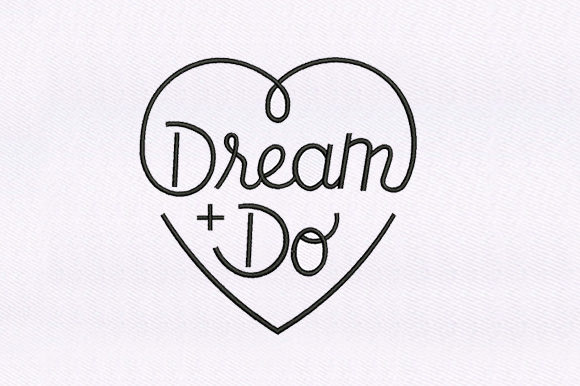
The success of any craft fair product relies heavily on its ability to be understood at a glance. Shoppers walk past booths quickly, scanning for something that catches their eye. Dream Do appears to strike a balance between bold and soft. It does not scream for attention with aggressive colors but rather invites a closer look. This makes it ideal for a variety of applications, from a subtle accent on a pocket to a focal point on a tote bag.
For boutique makers, the aesthetic versatility is key. If the design leans towards a hand-drawn or sketch-like style, it fits seamlessly into the modern farmhouse or rustic chic niches. If it is cleaner and more geometric, it appeals to the minimalists. Regardless of the specific line weight, the concept of "Dreaming" allows for creative interpretation in thread colors. I recommend testing high-contrast combinations for visibility and tonal monochromatic schemes for a premium, understated look.
Product Applications for Maximum Sales
To maximize revenue, we must place the design on items that move. Based on my experience, here is how Dream Do performs across different substrates:
- Tote Bags: A tote bag design needs to be large enough to be read from three feet away. Dream Do works beautifully here as a central chest print or a large back panel. Canvas provides a stable surface that handles stitch density well without puckering.
- Aprons: For the culinary crowd, apron embroidery adds significant perceived value. Placing this design on the bib of a cross-back apron creates a personalized feel that mass-produced items lack. It turns a utility item into a gift-worthy piece.
- Tea Towels: Tea towel embroidery is tricky due to the loose weave of linen or waffle weave fabrics. If Dream Do has fine details, it may get lost. However, if the design uses satin stitches or wider fill areas, it can anchor the towel nicely. Always use a cut-away stabilizer to prevent distortion during washing.
- Caps and Hats: Curved surfaces are challenging. If the design is too wide, it will distort on the front panel of a cap. I advise checking the width against your standard hoop size. If it fits within a 4x4 inch area, it is perfect for a structured cap. If it is larger, consider moving it to a tote or pillow instead.
- Patches and Pouches: Creating an embroidered patch allows you to sell the design as a standalone accessory. Customers love buying patches to customize their own jackets or bags. This is also a great way to use up scrap fabric and test the design’s clarity at smaller sizes.
Production Practicality and Batch Efficiency
For small shop products, time is money. A design that takes four hours to stitch is rarely profitable unless you are charging luxury prices. Dream Do seems suited for moderate run times, making it viable for batch production. When preparing for a market, I aim for designs that can be hooped, stitched, and trimmed efficiently.
The availability of multiple formats—including DST, PES, JEF, and EXP—ensures compatibility with most major machine brands. This is crucial for commercial embroidery operations where you might switch machines depending on the job. However, always verify the specific stitch count and recommended hoop size in your software before committing to a large batch. Since the exact dimensions are not provided in the basic description, loading the file into your editor is the only way to confirm if it fits your standard 5x7 or 6x10 hoops without resizing, which can alter stitch density.
Technical Considerations and Careful Use
While Dream Do is versatile, there are technical pitfalls to avoid. Dense stitch areas can cause puckering on lightweight fabrics like voile or thin cotton. If you notice the fabric pulling, increase your stabilizer support or add a topping layer, especially for textured towels or fuzzy fleece.
Thread contrast is another critical factor. On dark fabrics, light threads pop, but you must ensure the underlying satin columns are dense enough to cover the fabric completely. Conversely, on white canvas, dark threads provide sharp definition. I strongly advise creating a printable mockup or sewing a test sample on your intended final fabric. Seeing the design in person reveals issues that screens hide, such as thread breaks in tiny details or color blending that looks muddy from a distance.
Additionally, consider the stitch density. If the design is overly dense, it may become stiff, which is undesirable for wearable items like scarves or soft baby blankets. Adjusting pull compensation or using a lighter weight thread can mitigate this, ensuring the handmade product remains soft and drapable.
Marketing and Brand Consistency
From a branding perspective, Dream Do supports a narrative of creativity and aspiration. For Etsy sellers, this translates into powerful keywords and social media captions. Use terms like "mindful crafting," "daily inspiration," and "artisan made" to enhance the listing. The design serves as a strong visual anchor for your brand consistency, allowing you to create a cohesive collection across different product types.
When photographing for online listings, ensure the lighting highlights the texture of the stitches. Flat lay photos work well for tea towels and patches, while lifestyle shots featuring models wearing the aprons or carrying the totes help customers visualize scale and usage. A well-executed Dream Do piece should look intentional and polished, reinforcing the quality of your small business.
Final Verdict for the Craft Fair Booth
In conclusion, Dream Do is a strong contender for your next market season. Its alignment with the Awareness category gives it emotional resonance, while its adaptability across tote bags, aprons, and home decor items offers diverse revenue streams. By paying attention to stabilizer choices, thread contrast, and appropriate sizing, you can transform this digital asset into a high-performing physical product.
Remember to check the commercial licensing terms included with your purchase to ensure you are cleared to sell finished goods. With proper testing and strategic placement, this design can become a staple in your inventory, driving both customer engagement and sales. Happy stitching!