Pineapple Stem Border: A Designer’s Review for Merch
As an embroidery designer who has spent years digitizing patterns and consulting with small business owners, I know that not every machine embroidery design is created equal. When a client approaches me with a specific aesthetic in mind—something that bridges the gap between organic charm and professional branding—I look for versatility. Recently, I evaluated the Pineapple Stem Border, a piece categorized under Food and Embroidery, to determine its viability for commercial use. This review is tailored for apparel decorators, Etsy sellers, and boutique owners looking to elevate their small business merch with high-quality stitched details.
First Impressions: Organic Elegance Meets Utility
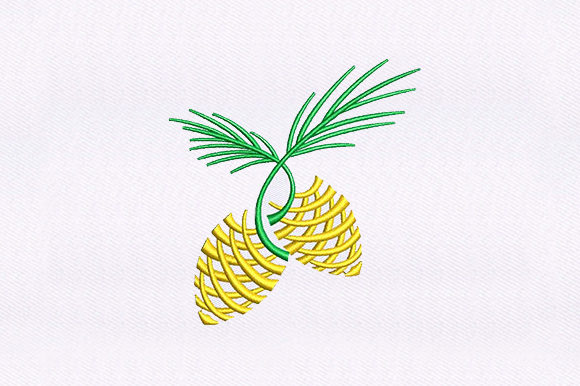
The first thing that strikes you about the Pineapple Stem Border is its deceptive simplicity. In a market saturated with overly complex, high-density logos, this design offers a breath of fresh air. It feels rustic yet refined, striking a balance that is difficult to achieve in digital stitch files. The "stem" motif suggests growth, freshness, and natural origins, which aligns perfectly with brands in the culinary, floral, or handmade sectors.
Visually, it does not scream for attention; rather, it invites a closer look. This subtlety is crucial for brand identity. For a local café or a boutique florist, you do not always want a loud, aggressive logo. You want a mark that signifies quality and care. The Pineapple Stem Border delivers this by offering a decorative element that can stand alone as a minimalist logo or serve as a sophisticated accent to larger text. It feels premium without being pretentious, making it an excellent choice for businesses that value a handmade, artisanal presentation.
Real-World Applications for Small Business Merchandise
The true test of any digital embroidery file is how it performs on actual products. I simulated several use cases for the Pineapple Stem Border to see where it adds the most value to a product line.
- Embroidered Patches: This is perhaps the strongest application. The border format works exceptionally well for iron-on or sew-on patches. A small batch of patches featuring this stem design can be used as free gifts with purchase, enhancing customer loyalty. The linear nature of the border allows it to fit neatly on rectangular or oval patch backings without wasted space.
- Apron Embroidery: For bakeries, coffee shops, and craft studios, staff uniforms are walking billboards. Placing the Pineapple Stem Border on the chest pocket or along the bottom hem of a canvas apron adds a touch of professionalism. It distinguishes staff from customers while reinforcing the brand’s connection to natural, fresh ingredients.
- Tote Bag Design: Canvas tote bags are a staple for eco-conscious brands. Because this design is a border, it can be stitched along the top edge or the side seam of a tote, creating a custom look that feels intentional and designed, rather than just a logo slapped in the center. This elevates the perceived value of the finished product.
- Cap Embroidery: While curved surfaces are tricky, the stem motif can work beautifully on the side panel of a baseball cap or the brim of a bucket hat. It offers a subtle branding opportunity that is trendy and understated, appealing to younger demographics who prefer minimal aesthetics.
Navigating Technical Challenges in Production
While the aesthetic appeal is high, practical execution requires attention to detail. As a designer, I must advise caution in specific scenarios to ensure the commercial embroidery result matches the digital preview.
Stitch Density and Fabric Texture: The description notes that this is a high-quality embroidery suitable for any fabric. However, "any fabric" is a broad claim. On textured fabrics like terry cloth towels or thick wool, fine details can get lost. I recommend testing the stitch density on your specific material. If the design is too dense for a lightweight linen shirt, it may cause puckering. Conversely, if it is too sparse for a heavy denim jacket, the backing might show through. Always use the appropriate stabilizer—cut-away for stretchy knits and tear-away for stable wovens—to maintain the integrity of the stem lines.
Scale and Legibility: When using this as a small patch or a chest logo accent, size matters. If you shrink the Pineapple Stem Border too much, the individual stitches in the stem may merge, losing the definition that makes the design charming. I advise creating a printable mockup at actual size before stitching. Check if the outlines remain distinct. If the design includes fine leaf details, ensure they are not so small that they break during washing or wear.
Thread Color Contrast: The visual impact of this design relies heavily on color choice. On dark uniforms, a light green or cream thread will pop, creating a striking contrast. On white tote bags, a deep forest green or earthy brown provides a classic, organic look. Avoid low-contrast combinations, such as light green on yellow fabric, as the design will disappear. Test your thread colors against your base fabric to ensure the border remains visible and effective as a branding tool.
Enhancing Brand Identity and Customer Trust
Beyond the technical aspects, the Pineapple Stem Border serves a strategic marketing purpose. In the world of custom apparel and handmade goods, consistency is key to building trust. Using a cohesive design element across various touchpoints—from employee uniforms to packaging accents—creates a recognizable visual language.
For an Etsy seller or a local boutique, this design acts as a seal of quality. It signals that the business cares about the details. When a customer receives a order wrapped in tissue paper sealed with a sticker featuring this embroidered stem, or when they wear a shirt with this subtle border detail, it reinforces the brand’s narrative of care and craftsmanship. This emotional connection drives buyer engagement and encourages repeat business. The design transforms a generic item into a branded asset, increasing the perceived value of the handmade product.
Practical Designer Notes for Implementation
Before you integrate the Pineapple Stem Border into your production workflow, consider these final checkpoints:
- Test in Black and White: Before committing to colored threads, stitch a sample in black thread on white fabric. This reveals the structural integrity of the design and highlights any spacing issues without the distraction of color.
- Verify Hoop Size: The product description does not specify exact dimensions. Confirm the required hoop size with the file provider. Ensure your machine can accommodate the necessary frame, especially if you plan to stitch multiple items in a row.
- Check Commercial Licensing: Never assume a file is free for commercial use. Verify the license terms associated with this embroidery file. Ensure you have the right to sell items featuring this design, especially if you are producing large volumes for corporate clients.
- Compare with Existing Assets: Place the Pineapple Stem Border next to your current logo and font choices. Does it complement your existing design assets? Visual consistency strengthens brand recognition.
- Wash Testing: Stitch a sample on the intended fabric and wash it five times. Check for thread breakage, shrinking, or distortion. This step is critical for items like aprons and uniforms that undergo frequent laundering.
In conclusion, the Pineapple Stem Border is a versatile and aesthetically pleasing addition to any embroidery library focused on natural, organic, or artisanal themes. By understanding its technical requirements and leveraging its visual strengths, small business owners can create compelling merchandise that resonates with customers. Whether used on a cap, a tote, or a patch, this design offers a professional finish that enhances brand identity and adds tangible value to your product offerings.