Snuggle Bunny: A Designer’s Review for Small Business Merch
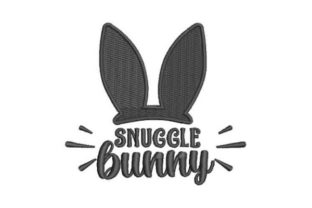
As an embroidery designer who has spent years digitizing and testing files for commercial use, I approach every new machine embroidery design with a critical eye. It is not enough for a design to simply look cute on a screen; it must perform under the needle, withstand washing, and elevate the brand identity of the business using it. Recently, I reviewed Snuggle Bunny, a seasonal file marketed as the perfect Easter design for a real snuggle bunny. While the description promises a super cute end result, my focus was on its viability for small business merchandise, branded patches, and custom apparel.
First Impressions: Visual Personality and Brand Fit
The immediate impression of Snuggle Bunny is one of approachable warmth. In the world of branding, visual personality dictates customer engagement. This design leans heavily into the playful and handmade aesthetic. For businesses such as bakeries, florists, pet brands, or boutique children’s clothing lines, this visual language is invaluable. It signals friendliness and care, which are core components of customer trust in the handmade sector.
However, from a professional standpoint, "cute" can sometimes translate to "cluttered" if the digitizing is not precise. The description notes that this embroidery file comes with multiple formats, which is standard, but the true test lies in how the shapes translate to thread. Does it look like a premium asset or a generic clipart conversion? For Snuggle Bunny, the potential for high-quality presentation exists, provided the user understands how to manage thread colors and fabric texture.
Real-World Application for Small Business Merch
When integrating a seasonal design like Snuggle Bunny into a product line, versatility is key. Here is how this design performs across various commercial embroidery projects:
- Embroidered Patches: This is perhaps the strongest use case. A well-digitized bunny motif works exceptionally well as an iron-on or sew-on patch. Patches allow businesses to create limited-edition merchandise without committing to permanent branding on expensive garments. For an Etsy seller, offering a Snuggle Bunny patch as a add-on to spring orders can significantly increase average order value.
- Apron Embroidery: For local cafes, bakeries, or craft studios, staff uniforms are walking billboards. Placing this design on the chest pocket or lower corner of a canvas apron adds a touch of seasonal charm. It humanizes the staff and creates a welcoming atmosphere for customers.
- Tote Bag Design: Canvas tote bags are a staple for eco-conscious brands. The sturdy fabric of a tote bag handles embroidery well, providing a stable surface for the design. Using Snuggle Bunny as a central graphic on a reusable bag transforms a simple utility item into a desirable seasonal accessory.
- Cap Embroidery: While possible, cap fronts require careful consideration. The curved surface of a baseball cap can distort complex designs. If Snuggle Bunny features fine details, they may get lost or puckered on a cap. It is best suited for larger, bolder versions of the design rather than intricate, tiny iterations.
Technical Considerations and Production Notes
Before running this design on a production machine, there are several technical factors that must be addressed to ensure a professional finished product. The product description mentions stitching it out on your fabric of choice, but in commercial embroidery, fabric selection is never arbitrary.
Stitch Density and Fabric Texture
One of the most common pitfalls in using pre-made digital embroidery files is ignoring stitch density. If Snuggle Bunny has a high stitch count relative to its size, it can cause puckering on lightweight fabrics like cotton voile or thin t-shirts. Conversely, on heavy fabrics like denim or canvas, insufficient density might allow the fabric to show through. Always test the design on the exact material you intend to sell. If the design feels stiff or board-like after stitching, the density may be too high for that specific application.
Stabilizer Selection
The right stabilizer is non-negotiable. For knit fabrics used in custom apparel, a cut-away stabilizer is essential to prevent distortion during wear and washing. For woven fabrics used in tote bags or patches, a tear-away might suffice, but a heat-seal stabilizer can provide extra security for items that will undergo frequent laundering. Never skip the test stitch-out to determine the optimal stabilizer combination.
Thread Color Contrast
The visual impact of Snuggle Bunny relies heavily on thread color choices. While pastel Easter tones are traditional, consider how the design looks in monochrome or high-contrast schemes for a more modern, year-round appeal. Testing the design in black and white first is a pro tip; if the shape loses its definition without color reliance, the digitizing may lack sufficient structural integrity.
Strategic Placement and Brand Identity
How you place Snuggle Bunny on a garment affects brand perception. A large, central placement screams "seasonal novelty," which is great for limited-time offers but may limit the item's longevity in a customer's wardrobe. A smaller, subtle placement on the sleeve, cuff, or near the hem suggests a higher-end, thoughtful design approach. This subtlety can enhance brand identity by associating your business with quality and attention to detail rather than just holiday hype.
For handmade brands, consistency is crucial. Ensure that Snuggle Bunny complements your existing design assets. If your brand usually employs minimalist, geometric logos, a whimsical bunny might feel disjointed unless framed correctly. Use printable mockups to visualize how this design sits alongside your other products before committing to bulk production.
Where to Use Caution
While versatile, this design is not suitable for every application. Avoid using it on items that require extreme durability or where fine details will be abraded, such as work gloves or heavy-duty outdoor gear. Additionally, be cautious with very small patch sizes. If the design includes tiny elements or text, these may not stitch out cleanly at reduced dimensions. Always check the recommended hoop size and minimum stitch length specifications provided with the file. If these details are not explicitly stated in the download package, contact the designer or assume a conservative minimum size to avoid production errors.
Final Verdict for Commercial Use
Snuggle Bunny is a strong contender for small business merchandising during the spring season. Its strength lies in its emotional appeal and versatility across patches, aprons, and totes. However, its success depends entirely on the executor’s attention to technical details. By carefully selecting fabrics, optimizing stabilizers, and strategically placing the design, embroidery professionals can turn this digital file into a high-value physical product. Always confirm commercial licensing terms before using any digital embroidery file for goods intended for sale, ensuring your business remains compliant while capitalizing on seasonal trends.