Blue Car Cap Design: A Pro Review for Small Business Merch
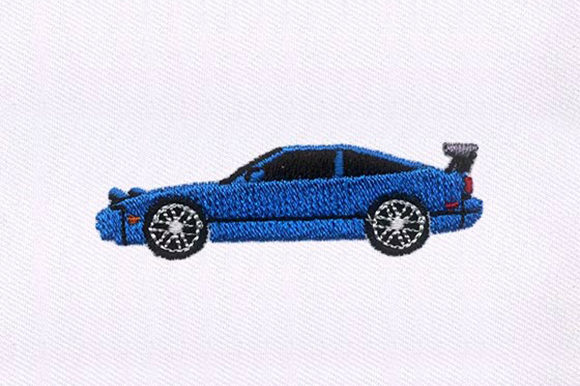
As an embroidery designer who has spent years digitizing and testing files for commercial use, I approach every new machine embroidery design with a critical eye. It is not just about whether the image looks cute on a screen; it is about how it translates to fabric, how it holds up in the wash, and ultimately, how it serves the brand identity of the small business owner purchasing it. Today, I am reviewing the Blue Car Cap Design, a digital asset categorized under Sports and Embroidery, to determine its viability for branded merchandise, staff uniforms, and boutique product lines.
The first impression of the Blue Car Cap Design is one of approachable professionalism. The title suggests a motif that is likely clean, recognizable, and versatile. In the world of custom apparel, clarity is king. A design that relies on overly complex shading or microscopic details often fails when stitched out on textured fabrics. Based on the description, this design appears to be structured for clarity, making it an excellent candidate for businesses that need instant visual recognition. Whether you run a local bakery, a pet grooming service, or a creative studio, the imagery of a car can symbolize delivery, mobility, or simply a love for automotive culture, depending on your niche.
Real-World Applications for Small Business Merch
When evaluating a digital embroidery file for commercial purposes, I always ask: where does this live on the garment? The Blue Car Cap Design shines in several key areas of small business merchandising. For automotive shops, detailers, or driving schools, this design is a natural fit for staff uniforms. Imagine it embroidered on the left chest of a polo shirt or as a sleeve detail on a work jacket. It provides a subtle yet clear branding element that elevates the perceived value of the uniform from generic workwear to professional attire.
Beyond uniforms, this design is highly effective for creating embroidered patches. Patches are a trending item in the handmade community and offer a low-risk way for businesses to test new merchandise. You can stitch this design onto twill or felt backings, cut them out, and sell them as standalone accessories or attach them to denim jackets, tote bags, and caps. For Etsy sellers and crafters, offering a pre-made patch featuring the Blue Car Cap Design allows customers to customize their own gear, increasing engagement and sales potential.
Another powerful application is in promotional items. Consider using this design on tote bags for local events, farmers' markets, or community car shows. A well-executed tote bag design acts as a walking billboard. Similarly, for businesses that offer delivery services, such as florists or bakeries, embroidering this motif on aprons or driver caps reinforces brand consistency across all customer touchpoints. The versatility of the file formats listed—ranging from DST and PES to EXP and JEF—ensures that regardless of the embroidery machine brand you own, you can integrate this asset into your production workflow seamlessly.
Navigating Technical Challenges and Fabric Constraints
While the aesthetic appeal is strong, any experienced embroiderer knows that technical execution is where projects succeed or fail. The Blue Car Cap Design must be evaluated for stitch density and scale. If you plan to use this on curved surfaces, such as the front panel of a baseball cap, you must ensure the design is not too wide. Cap embroidery requires careful hooping and often benefits from designs that are slightly narrower to avoid distortion around the seams. Always check the recommended hoop size before starting. If the design is too large for a standard cap hoop, it may require resizing, which can affect stitch integrity if not done correctly.
Fabric texture also plays a crucial role. If you are stitching this onto thick towels or textured canvas totes, the finer details might get lost. In such cases, I recommend simplifying the thread palette. Using high-contrast thread colors helps the design pop against busy backgrounds. For dark uniforms, ensure that the design includes enough light-colored threads or outlines to remain visible. Conversely, on light-colored fabrics, a bold outline can prevent the design from looking washed out.
One area where caution is needed is with small-scale applications. If you intend to use this as a tiny label on a handmade product, verify that the text or intricate lines within the car graphic do not become a solid blob of thread. Small lettering and tight spacing can cause thread breaks or bird’s nests during stitching. I always advise running a test stitch on a scrap piece of the actual fabric you plan to use. This step is non-negotiable for professional results. Use the appropriate stabilizer—cut-away for stretchy fabrics like jersey tees, and tear-away for stable woven cottons—to support the stitches and maintain the shape of the design over time.
Enhancing Brand Identity and Customer Trust
Consistency in visual assets builds trust. When a customer sees the same high-quality Blue Car Cap Design on your website, your packaging, and your staff’s apparel, it reinforces your brand identity. It signals attention to detail and professionalism. For small business owners, investing in quality design assets like this is an investment in customer perception. A sloppy embroidery job can detract from even the best product, while a crisp, well-digitized design adds perceived value, allowing you to charge premium prices for your custom apparel and merchandise.
Furthermore, this design can serve as a cornerstone for seasonal campaigns. For example, a local auto repair shop could use this design on limited-edition hats for a summer promotion. By creating a printable mockup of the design on various products beforehand, you can gauge customer interest and market the items effectively on social media. Visual consistency across these platforms helps in building a recognizable brand presence that stands out in a crowded marketplace.
Practical Notes for the Embroidery Professional
Before committing to a large production run, here are my top recommendations for working with the Blue Car Cap Design:
- Test in Monochrome: Stitch the design in black and white first. This reveals any issues with spacing and density without the distraction of color. If it looks good in single-color, it will look great in full color.
- Check Scale Compatibility: Ensure the design works at the smallest size you intend to use. If it loses definition at one inch wide, do not use it for small patches.
- Verify File Formats: The product description lists a comprehensive array of formats including 10O, ART, CND, DSB, DST, DSZ, EXP, HUS, JEF, PCS, PEC, PES, TAP, VIP, VP3, and XXX. Confirm that your specific machine reads one of these natively to avoid conversion errors which can alter stitch paths.
- Review Licensing: Always confirm the commercial licensing terms associated with the digital embroidery file. Ensure you have the right to sell finished products featuring this design if that is your business model.
- Create Client Mockups: If you are doing this for a client, provide a realistic mockup showing the design on the specific garment type. This manages expectations and reduces the likelihood of revisions after stitching.
In conclusion, the Blue Car Cap Design offers significant potential for small businesses looking to enhance their branded merchandise. Its likely clean and bold aesthetic makes it suitable for a wide range of applications, from staff uniforms to promotional tote bags. By paying attention to technical details like stabilizer choice, hoop size, and fabric texture, you can ensure that the finished product meets professional standards. For embroidery shops and handmade brands, this design is a versatile tool that, when used correctly, can strengthen brand identity and drive customer engagement. Always prioritize testing and quality control to deliver merchandise that reflects the professionalism of your business.