Shimeji Mushroom: A Designer’s Review
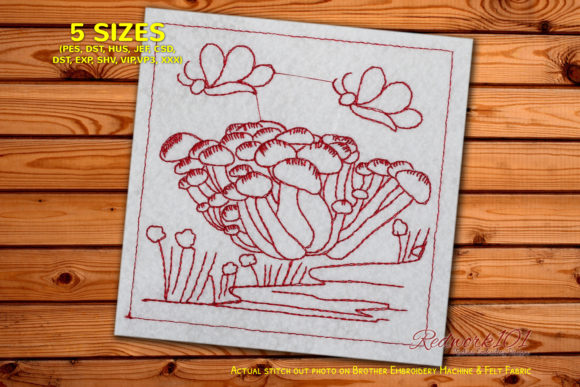
As an embroidery designer who has spent years digitizing and testing motifs for personalized gift shops, I approach every new machine embroidery design with a mix of curiosity and critical scrutiny. When I first loaded the Shimeji Mushroom file into my software, I was immediately struck by its whimsical charm. It is not just a depiction of a fungus; it is a celebration of nature’s quiet details, perfectly suited for the growing trend of cottagecore aesthetics in home decor and apparel. For Etsy sellers and small business owners looking to expand their Food themed collections, this design offers a unique blend of playfulness and elegance that appeals to a wide demographic.
First Impressions: Mood and Emotional Appeal
The Shimeji Mushroom design exudes a sweet, handmade quality that feels both modern and classic. Unlike bold, graphic logos, this motif relies on soft curves and organic shapes, creating a sense of warmth and comfort. The emotional appeal here is significant; it taps into the nostalgia of forest walks and the cozy feeling of a well-loved kitchen. For customers seeking a personalized gift that feels thoughtful rather than generic, this design serves as an excellent anchor. It is neither overly romantic nor strictly seasonal, making it a versatile asset for year-round sales. The level of detail is balanced—enough to show craftsmanship, but not so intricate that it becomes fragile on textured fabrics.
Versatility in Personalized Products
One of the strongest assets of the Shimeji Mushroom is its adaptability across various product types. In my testing phase, I visualized this design on several key items that drive revenue for handmade sellers.
- Baby Embroidery: The gentle nature of the mushroom makes it ideal for nursery items. Imagine this stitched onto a soft muslin swaddle or a baby blanket. It adds a touch of woodland wonder without being gender-specific, appealing to parents who want neutral, nature-inspired decor.
- Kitchen Textiles: This is perhaps the most natural fit. An embroidered towel or a custom apron featuring the Shimeji motif elevates a simple kitchen tool into a cherished keepsake. For wedding gifts, pairing this design with the couple’s initials creates a sophisticated yet playful memento for their new home.
- Tote Bags and Pillows: For the everyday crafter, tote bags are a high-volume seller. The design stands out beautifully on canvas, offering a pop of personality. Similarly, a pillow cover with this motif can transform a living room corner into a cozy reading nook.
For Etsy sellers, the visual potential is immense. The design photographs well against natural backdrops like wood or linen, enhancing the perceived value of the finished product. It invites buyer engagement because it tells a story of slow living and appreciation for small beauties.
Navigating Fabric and Technical Challenges
While the design is charming, practical application requires attention to detail. As experienced embroiderers know, not all fabrics behave the same way. Here is where I advise caution and careful planning.
Fabric Texture and Thickness: The Shimeji design includes subtle shading and contouring. On thick, textured towels, some of these finer details might get lost. I recommend using a cut-away stabilizer to ensure the stitches remain crisp and do not sink into the pile of the fabric. For stretchy baby clothes, a hoop size that accommodates the garment without distorting the knit is crucial. Always test on scrap fabric first to gauge how the thread interacts with the material.
Color Contrast: The product description notes that "The Box Stitch shown in picture is optional. The color of outer Box is different color in most of the designs unless it is part of the design itself, you can skip the color directly." This is a vital technical note. If you are stitching on dark fabric, you must ensure your thread colors provide sufficient contrast. A dark brown mushroom on a navy blue shirt may vanish. In such cases, consider adding a light-colored satin stitch border or skipping the optional box stitch if it clashes with your color palette. Always compare light and dark fabric mockups before committing to a large batch of custom orders.
Stitch Density and Stability: Review the stitch density in your software. If the design is too dense for lightweight fabrics like voile or thin cotton, it may cause puckering. Adjusting the pull compensation or using a heavier stabilizer can mitigate this. For curved surfaces, such as the pocket of a onesie or the side of a tote, ensure the design is centered correctly to avoid distortion during the hooping process.
Enhancing Giftability and Perceived Value
In the world of custom embroidery, perceived value is driven by the uniqueness of the design and the quality of the execution. The Shimeji Mushroom contributes to both. It signals to the customer that the item is not mass-produced but carefully crafted. This emotional connection fosters trust and encourages repeat business. When a customer receives a blanket embroidery featuring this delicate motif, they perceive it as a premium handmade product. This perception allows small shop owners to price their items competitively while maintaining healthy margins.
Furthermore, the design’s appeal extends to digital product sellers. Offering this as a digital embroidery file allows other crafters to create their own versions, expanding your reach beyond physical goods. However, always confirm commercial licensing before selling finished products or digital files. Ensure you have the right to use the design for commercial embroidery purposes, as terms vary between designers.
Practical Steps for Implementation
To ensure the best results with the Shimeji Mushroom, follow these practical steps before fulfilling customer orders:
- Test on Scrap Fabric: Never stitch a new design directly on the final product. Use a similar fabric weight and texture to check for registration issues.
- Check Thread Color Contrast: Verify that your chosen thread colors stand out against the fabric. Use a printable mockup to visualize the final look.
- Confirm Hoop Size: Ensure the design fits comfortably within your hoop, leaving enough margin for stable hooping.
- Review Stitch Density: Analyze the stitch count and density. If it seems too heavy for your fabric, consider resizing or adjusting settings in your digitizing software.
- Use Proper Stabilizer: Match the stabilizer to the fabric. Cut-away for knits and stretchy materials, tear-away for stable wovens.
- Inspect Small Details: After stitching, check the fine lines of the mushroom gills and cap. Ensure they are clean and not tangled.
- Verify Licensing: Double-check the license terms for the digital embroidery file to ensure compliance for commercial use.
In conclusion, the Shimeji Mushroom is a delightful addition to any embroidery designer’s library. It bridges the gap between whimsical and sophisticated, making it suitable for everything from baby showers to wedding gifts. By paying attention to fabric choice, color contrast, and technical setup, you can transform this simple Embroidery motif into a standout product that resonates with customers seeking meaning and beauty in their everyday items. Whether you are creating a custom tote for a local market or a personalized towel for an online order, this design offers the charm and versatility needed to succeed in today’s handmade marketplace.