Review: Japanese Style Tattoo for Craft Fair Success
As an embroidery designer who has spent countless weekends behind a booth table, I know that not every machine embroidery design translates into a bestseller. Some designs look beautiful on a screen but vanish in person, while others stop customers in their tracks. Today, I am reviewing the Japanese Style Tattoo design to determine if it deserves a prime spot in your next craft fair lineup. This piece is categorized under Asia and falls squarely into the Embroidery niche, offering a distinct aesthetic that can elevate a small shop product from generic to premium.
First Impressions and Visual Impact
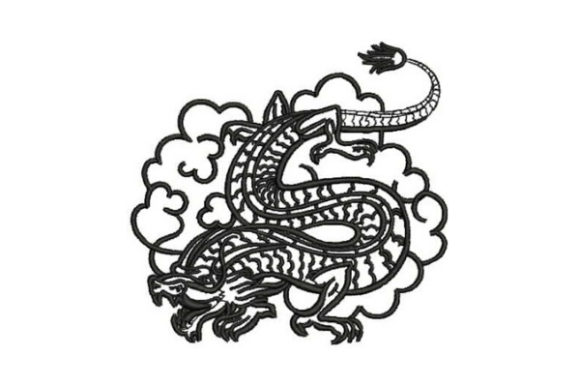
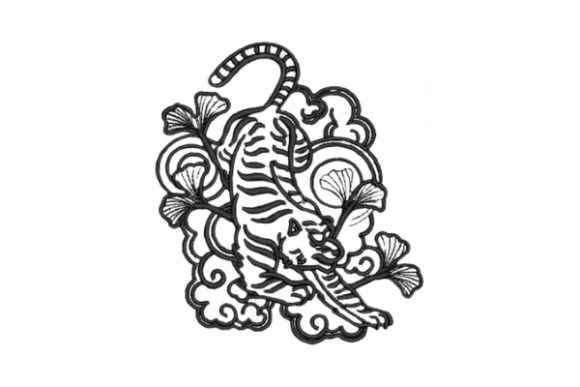
The first thing I look for in a new embroidery file is immediate legibility. The Japanese Style Tattoo design carries a bold, artistic weight that suggests tradition mixed with modern edge. Unlike delicate floral patterns that might get lost on textured fabrics, this design appears to have strong lines and intentional spacing. For a craft fair seller, this is crucial. Customers walking past your booth have seconds to decide whether to stop. A design with high contrast and clear thematic elements, like this tattoo-inspired motif, acts as a visual hook.
The description notes that it is an original addition to your sewing project and will look great on any fabric. While "any fabric" is a broad claim, the stylistic nature of tattoo art usually implies a need for stability. The design feels less "cute" or "farmhouse" and more "edgy" and "premium." This shifts your target audience slightly toward buyers looking for unique, statement pieces rather than traditional home decor. It bridges the gap between streetwear aesthetics and handmade quality, which is a powerful combination for today’s market.
Product Applications for Maximum Sales
To maximize the potential of the Japanese Style Tattoo, you must pair it with the right substrate. Here is how I would deploy this design across various craft fair products:
- Tote Bags: A canvas tote bag provides a flat, stable surface that allows the design to shine. As a tote bag design, it appeals to students, artists, and shoppers who want to carry their values or style visibly. The bold lines of the tattoo style will hold up well against the weave of canvas.
- Aprons: For a bistro or chef-style apron, placing this design on the bib creates a focal point. Apron embroidery often sells well to people looking for gifts for home cooks who appreciate artisanal vibes. Ensure the placement is centered and high enough to be seen when the apron is worn.
- Tea Towels: Tea towel embroidery requires careful consideration of fabric texture. If the towel is too plush, the fine details of the tattoo design might sink in. Choose a flat-weave linen or cotton for the best result. This makes for an excellent low-price-point impulse buy.
- Embroidered Patches: This is perhaps the strongest application. An embroidered patch allows customers to customize their own jackets, bags, or hats. Patches are easy to produce in batches and have high perceived value due to the intricate stitching involved in tattoo-style art.
- Caps and Hats: Curved surfaces are tricky. If you attempt this on a cap, ensure the design is scaled correctly so it does not distort. The bold nature of the design helps it survive the curvature better than intricate, thin-lined scripts.
Production Practicality and Batch Efficiency
For an Etsy seller or boutique maker, time is money. The description mentions that the Japanese Style Tattoo comes with multiple embroidery files. This is a significant advantage. It likely includes various hoop sizes, allowing you to scale the design for different products without losing integrity. However, you must verify the specific hoop size options provided in the digital package before purchasing.
When evaluating stitch density, consider that tattoo styles often use satin stitches for outlines and fill stitches for shading. High density can cause puckering on lightweight fabrics. To mitigate this, always use a appropriate stabilizer. For caps and stretchy fabrics, a cut-away stabilizer is non-negotiable. For woven totes, a tear-away might suffice, but testing is key. The ability to produce this design repeatedly with consistent quality is what makes it a viable commercial embroidery asset.
Photography is another critical factor. Bold designs like this photograph exceptionally well for online listings. They create strong printable mockup opportunities because the contrast stands out even in thumbnail views. When creating your design assets for social media, place the design on dark fabrics to highlight the thread colors, or on light fabrics to show the depth of the shading.
Careful-Use Notes and Technical Considerations
While the Japanese Style Tattoo is versatile, there are pitfalls to avoid. Do not assume it will work perfectly on every material without testing. Here are specific areas where caution is needed:
- Fabric Texture: Avoid highly textured towels or fuzzy fleece. The details of the tattoo art will get lost in the pile. Stick to smooth cottons, linens, denim, and canvas.
- Dark Fabric: If stitching on black or navy, ensure your thread colors have enough contrast. You may need to adjust the design settings or choose specific thread palettes that pop against the background.
- Small Sizes: If scaling down for a small pouch or pocket accent, check if the tiny details merge together. Designs that lose clarity at smaller sizes should be reserved for larger items like pillow covers or market bags.
- Curved Surfaces: As mentioned, caps require precise hooping. Use a cap frame and ensure the design is centered perfectly to avoid a skewed appearance.
Enhancing Brand Consistency and Buyer Engagement
Integrating the Japanese Style Tattoo into your lineup can strengthen your brand identity if you position it correctly. It signals that your shop offers edgy, culturally inspired, and artistic handmade products. This consistency helps in building a loyal customer base who appreciate the specific aesthetic you curate.
In a booth setting, use this design to create a themed section. Group it with other Asia-inspired items or modern tattoo-art accessories. This creates a cohesive visual story that engages buyers longer than a scattered display. The perceived value of a finished product featuring such a distinct design is higher, allowing you to price your items competitively while maintaining healthy margins.
Final Designer Verdict
Before you commit to full production, follow these essential steps. First, test the design on scrap fabric that matches your intended product material. Check the tension and inspect the back of the hoop for excessive bobbin thread. Second, compare different fabric colors to see which combination offers the best visual appeal. Third, confirm the commercial licensing terms included with the digital embroidery file. While the description implies it is for your next sewing project, always ensure you have the right to sell the finished product commercially.
The Japanese Style Tattoo is a strong contender for craft fair success. Its bold aesthetic, versatility across multiple product types, and potential for high-impact visual merchandising make it a valuable addition to your library. By paying attention to stitch density, fabric choice, and presentation, you can turn this single design into a standout collection that drives sales and enhances your reputation as a skilled maker.