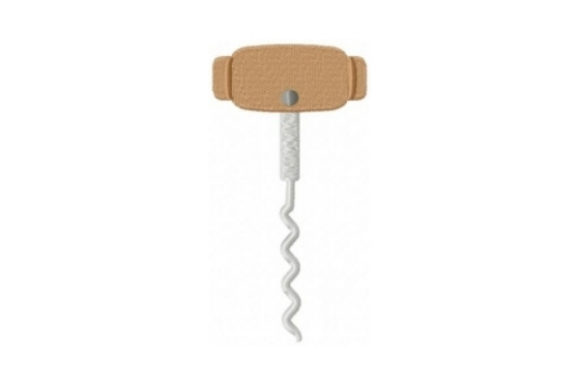
Corkscrew: A Designer’s Review for Craft Fair Success
As an embroidery designer who has spent countless hours hooping fabric and troubleshooting tension issues, I approach every new machine embroidery design with a critical eye. It is not just about whether the file runs smoothly; it is about whether the final image stops a customer in their tracks at a busy weekend market. Recently, I evaluated Corkscrew, a design targeted squarely at the wine-loving demographic. For craft fair sellers, Etsy shop owners, and boutique makers, understanding how this specific motif translates from a digital file to a tangible handmade product is essential for maximizing sales.
First Impressions: The Vibe of Corkscrew
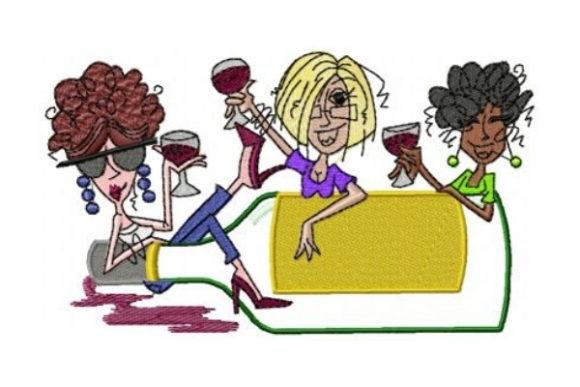
The initial appeal of Corkscrew lies in its thematic clarity. Wine culture has evolved from purely sophisticated tasting rooms to a broader, more playful lifestyle aesthetic. This design captures that shift. It feels cute, approachable, and slightly whimsical, making it a perfect fit for the modern farmhouse or rustic-chic trends that dominate current home decor and fashion markets. Unlike overly intricate vintage patterns that might get lost on textured fabrics, this design appears to prioritize clean lines and recognizable shapes. For a craft fair product, instant recognizability is key. Shoppers scanning a booth have mere seconds to decide if an item resonates with them. A clear, wine-themed graphic communicates its message immediately, bypassing the need for explanation.
Strategic Product Placement for Maximum Impact
When planning your inventory for a handmade market, placement is everything. Based on the description that Corkscrew looks great on any fabric, here is how I would strategically deploy this design across various product lines to ensure high turnover.
- Tote Bags and Market Bags: This is arguably the strongest candidate for this design. A canvas tote with a centered tote bag design featuring a corkscrew motif serves as both a functional item and a statement piece. Wine lovers often carry bottles to picnics or parties, making this a self-referential and humorous accessory. Ensure you use a heavy-duty stabilizer to prevent puckering on the large surface area.
- Aprons and Kitchen Textiles: An apron embroidery project using this motif targets the hostess gift market. Pair it with matching tea towel embroidery sets for a bundled offer. The kitchen is where wine is often opened and enjoyed, so the context fits perfectly. However, be mindful of the fabric texture; terry cloth towels can distort small details, so test your stitch density accordingly.
- Embroidered Patches: Creating an embroidered patch allows customers to customize their own denim jackets or canvas bags. Patches are excellent low-cost impulse buys at craft fairs. Since patches are viewed up close, the clarity of the corkscrew shape must be sharp. Use satin stitches effectively to create a glossy, premium look that stands out against matte denim.
- Caps and Headwear: Embroidering on curved surfaces requires precision. If the design is too wide, it may distort on the front panel of a cap. Check the width against your standard hoop capabilities. If Corkscrew is compact, it works well as a subtle accent on dad hats or beanies, appealing to a younger demographic of wine enthusiasts.
Production Practicalities for the Small Shop Owner
For the Etsy seller or small business owner, efficiency is profit. A design like Corkscrew needs to be repeatable. Batch production is only viable if the design runs reliably without frequent thread breaks or trimming issues. Before committing to a large run of finished goods, you must evaluate the stitch density. High-density areas can cause fabric stiffness, which is undesirable on soft items like pillow covers or baby blankets. Conversely, too low density might reveal the backing fabric, especially on lighter colors.
Photography plays a massive role in online sales. A printable mockup can help visualize the design, but nothing replaces a real photo. The contrast between your thread colors and the fabric choice will determine how well the design pops in images. For a wine-themed item, deep reds, burgundies, and crisp whites are natural choices. However, consider testing metallic threads for the corkscrew element to add a touch of luxury and catch the light in booth displays. This small detail can elevate a small shop product from homemade to handcrafted luxury.
Navigating Technical Challenges and Fabric Choices
While the description states the design works on any fabric, experienced designers know that nuance matters. Here are careful-use notes to keep in mind during production:
- Fabric Texture: Avoid using this design on highly textured fabrics like thick waffle weave or loose linen unless you use a strong cut-away stabilizer. The stitches may sink into the pile, losing definition.
- Dark Fabrics: If stitching on black or navy, ensure your design includes underlay stitches to prevent the background fabric from showing through the top stitching. This is crucial for maintaining the integrity of the corkscrew shape.
- Size Constraints: If you plan to shrink the design for small pouches or coin purses, verify that tiny details do not become unrecognizable blobs. Some elements may need to be simplified or removed at smaller scales.
- Curved Surfaces: When embroidering on caps or curved pillows, hoop firmly and use appropriate foam backing if necessary to raise the design and prevent sinking.
Enhancing Brand Consistency and Buyer Engagement
Incorporating Corkscrew into your lineup should align with your brand’s overall aesthetic. If your brand is known for witty, lifestyle-oriented goods, this design reinforces that identity. Consistency builds trust. When customers see a cohesive collection of wine-themed items—perhaps paired with other design assets like grapevines or wine glasses—they are more likely to purchase multiple items. This increases the average order value, a key metric for any commercial embroidery venture.
Furthermore, this design encourages engagement. Wine is a social topic. Items featuring this motif often spark conversations at markets, allowing you to connect with potential buyers on a personal level. A customer might share a story about their favorite vineyard while purchasing an embroidered tote, creating a memorable shopping experience that leads to repeat business and positive reviews.
Final Designer Notes Before You Hoop
Before you launch this as a primary seller in your shop, take these practical steps. First, always test the digital embroidery file on scrap fabric identical to your final product material. Check for registration issues and thread tension. Second, confirm the hoop size requirements. If the design requires a large hoop, ensure your machine can handle it efficiently. Third, review the licensing terms. While many files come with commercial use rights, it is vital to confirm that you are allowed to sell the finished product physically. Never assume; always read the license included with the download.
Finally, create at least one high-quality mockup or sample piece for your marketing materials. Show the design in context—on a table set for dinner, or hanging in a cozy kitchen. Contextual imagery helps buyers visualize the item in their own lives, bridging the gap between interest and purchase. With careful attention to detail and strategic product selection, Corkscrew has the potential to be a standout performer in your wine-themed collection, driving both foot traffic at fairs and clicks in your online store.