Review: Baby Bug Caterpillar for Real Projects
As a designer who spends more time staring at stitch maps than actual fabric, I have learned that cuteness alone does not make a viable machine embroidery design. We have all downloaded files that look adorable on the screen but turn into a tangled mess of thread breaks and puckering once they hit the hoop. When I first pulled up the Baby Bug Caterpillar, my initial reaction was cautious optimism. It sits squarely in the Bugs category, a niche that can easily veer into cartoonish clutter if not handled with precision. However, after reviewing the layout and considering its application in real-world scenarios, I found this to be a surprisingly versatile asset for both hobbyists and professional Etsy sellers.
First Impressions and Visual Personality
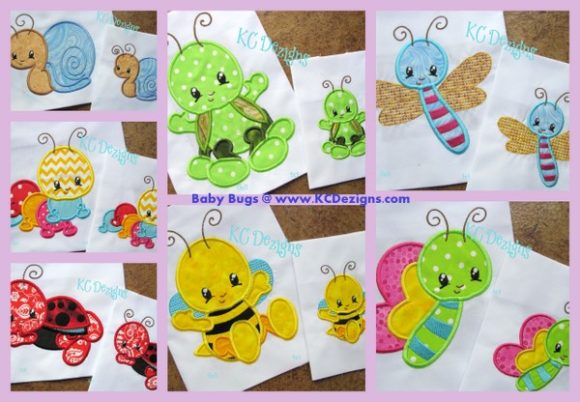
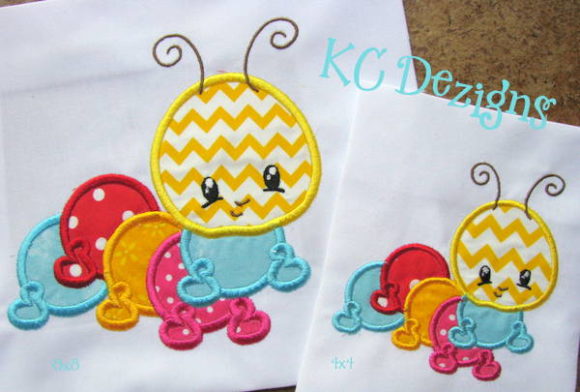
The immediate mood this design creates is one of gentle whimsy. It is not loud or aggressive; instead, it feels soft and approachable, which is exactly what you want when targeting the baby market. The shape is rounded and organic, avoiding sharp corners that often cause registration issues in smaller hoop sizes. From a visual standpoint, the layout is balanced. It does not rely on excessive detail that would get lost in translation when stitched out. For an embroidery project intended for nursery decor or infant wear, this restraint is crucial. The design understands its audience. It communicates "safe," "soft," and "playful" without needing explanatory text.
What stands out most is the potential for color play. Because the form is simple, it acts as a blank canvas for your thread colors. You are not locked into a single aesthetic. This flexibility allows you to adapt the Baby Bug Caterpillar for gender-neutral gifts, pastel spring collections, or even bold, primary-colored educational toys. It is a design that respects the maker’s creative input rather than dictating every pixel.
Real-World Application: The Custom Tote Scenario
To truly evaluate a design, I mentally place it on various substrates. Let us consider a common request for small business owners: a custom embroidered tote bag for a new mother. Canvas totes are popular, but they present challenges due to their weave and thickness. If I were stitching this caterpillar onto a natural cotton canvas, I would need to pay close attention to stitch density. A design that is too dense will pull the fabric, creating unsightly warping around the edges. Fortunately, the open nature of this bug suggests it relies more on satin stitches and clean running stitches rather than heavy fill areas, making it ideal for textured fabrics like canvas or linen.
Beyond totes, imagine this on a waffle-knit baby blanket. The texture of the blanket requires a design that sits on top of the fabric rather than sinking into it. The Baby Bug Caterpillar works well here because its segments are distinct. When paired with a proper cut-away stabilizer, it maintains its shape even after multiple washes. This durability is a key selling point for any handmade product. Customers need to know that the cute bug on the towel will not distort after the first laundry cycle. This design appears robust enough to handle that reality.
Versatility Across Product Lines
The availability of this design in three different hoop sizes is a significant practical advantage. It means you are not forced to shrink a complex image down to a tiny patch, nor are you stuck enlarging a small motif until it becomes pixelated and jagged. This scalability makes it suitable for a wide range of items:
- Sweatshirt embroidery: Placed on the left chest, the medium size offers a subtle, professional branding opportunity for boutique children's clothing lines.
- Embroidered patches: The largest hoop size can be stitched out on stabilizer alone, cut, and heat-sealed onto denim jackets or backpacks, creating a durable custom apparel accessory.
- Quilt blocks: For quilters, this design can serve as a focal point in a larger narrative quilt, adding texture and dimension to flat fabric squares.
- Holiday embroidery: By changing the thread palette to oranges and blacks, or reds and greens, this same file can transition from a everyday baby item to a seasonal decoration, maximizing the value of your digital embroidery file purchase.
Technical Considerations and Potential Pitfalls
While the design is strong, no file is universal. There are specific scenarios where you must exercise caution. First, consider the fabric type. If you are stitching on thin, stretchy jersey knit for a onesie, you must use a high-quality stabilizer. Without it, even a well-digitized design can pucker. The rounded shapes of the caterpillar help mitigate this, but tension settings on your machine must be dialed in correctly. I always recommend testing on scrap fabric of the exact same weight and stretch as your final project.
Another area of concern is dark fabric. If you plan to stitch this on navy or black material, you need to ensure there is an underlay stitch that provides enough coverage for the top threads to pop. If the digitizing lacks a proper foundation layer, the background fabric might show through the lighter colors of the bug, ruining the visual clarity. Always check the stitch sequence in your software before loading it onto the machine. Additionally, if you are using this for commercial embroidery on curved surfaces like caps, ensure the design fits within the usable area of the cap frame. The width of the caterpillar might be limiting on smaller youth caps, so measure twice.
Enhancing Brand Value and Customer Trust
For the craft business owner, the choice of design reflects directly on brand consistency. Using a clean, professional-looking motif like the Baby Bug Caterpillar signals quality. It shows that you care about the finish of your finished product. When customers see crisp edges and consistent stitch direction, they perceive higher value. This translates to better reviews and repeat business. Furthermore, because the design is cute but not overly specific, it appeals to a broad demographic. It is safe for gift-givers who may not know the specific preferences of the parents, making it a reliable staple in your small shop product lineup.
From a marketing perspective, this design photographs well. Whether you are creating a printable mockup for your online store or taking photos for social media, the simple shapes read clearly even in thumbnail views. This visibility is crucial for digital sales and engagement. It stops the scroll. When used in promotional materials, it conveys a sense of warmth and craftsmanship that resonates with buyers looking for personalized, thoughtful gifts.
Practical Designer Notes for Best Results
Before you commit to stitching this on a client’s expensive garment, follow these steps to ensure success. First, verify the license terms. While many designs allow for commercial use on physical items, some restrict the sale of the embroidery file itself or require attribution. Confirm this before listing items on Etsy or other platforms. Second, test the color contrast. Create a black-and-white mockup of the design to see if the details hold up without color reliance. If the segments blend together in grayscale, you may need to adjust your thread choices to ensure definition.
Finally, inspect the small details. Zoom in on the digitizing map. Look for unnecessary jump stitches or overly long travel lines that could snag during production. A clean file saves time and thread. Check the recommended hoop size against your machine’s capabilities. If you are using an older machine, ensure it can handle the file format provided. By taking these preparatory steps, you transform a simple download into a reliable tool for your creative arsenal. The Baby Bug Caterpillar is a solid addition to any designer’s library, offering a blend of charm and technical reliability that supports both personal creativity and commercial ambition.