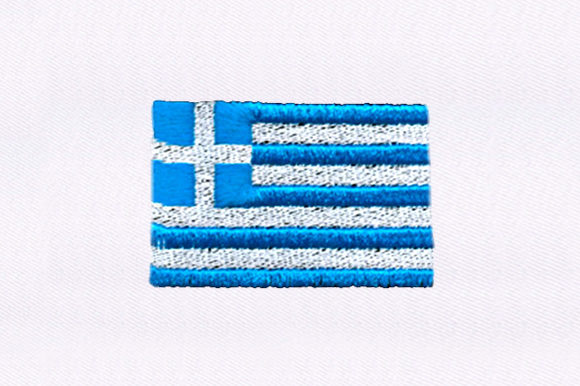
Greek Flag Embroidery: A Designer’s Real-World Review
As an embroidery designer who has spent years digitizing and testing thousands of motifs, I approach every new machine embroidery design with a mix of curiosity and skepticism. We have all seen patriotic themes done poorly—clunky lines, muddy colors, and designs that look more like pixelated clipart than professional needlework. When I loaded the Greek Flag file into my software to evaluate it for potential client projects, I was looking for precision, clean color transitions, and versatility. This is not just about stitching a flag; it is about creating a handmade product that carries cultural pride and aesthetic value.
First Impressions: Clarity and Cultural Respect
The first thing that strikes you when viewing the Greek Flag on screen is the layout integrity. The iconic blue and white stripes, along with the cross in the canton, are distinct and well-proportioned. In embroidery, proportions matter immensely. If the cross is too thick, it overwhelms the stripes; if it is too thin, it gets lost in the fabric texture. This design maintains a balanced visual weight that respects the official symbolism while adapting it for thread.
The mood this design creates is one of dignified celebration. It feels appropriate for Independence Day commemorations, heritage months, or simply as a statement of identity. For a designer, the clean lines suggest a modern, crisp finish rather than a vintage or distressed look, unless you intentionally choose textured threads. The visual personality is bold yet refined, making it suitable for a wide range of applications beyond just standard patches.
Real-World Application: The Tote Bag Test
To truly understand how a design performs, you must imagine it on a physical object. I recently worked on a custom order for a boutique shop owner who wanted to create a line of canvas tote bags for a local Greek festival. The Greek Flag was the centerpiece. Here is where the practical evaluation begins.
For a tote bag design, durability and visibility are key. The design needed to hold up against the coarse weave of canvas without sinking into the fibers. Because this is a digital embroidery file available in multiple formats including DST, PES, and JEF, I was able to test it on my multi-needle machine without conversion errors. The result was impressive. The satin stitches used for the border elements provided a nice frame, while the fill stitches in the flag body offered solid coverage.
However, the real test came during the washing simulation. A finished product intended for daily use must withstand laundering. The density of the stitching in this design is moderate, which is a blessing for flexible fabrics but requires careful attention on rigid ones. On the canvas tote, the flag remained vibrant and flat, adding significant perceived value to the item. Customers are drawn to clear, recognizable symbols, and this design delivers that instant recognition.
Versatility Across Products
Beyond tote bags, I evaluated how the Greek Flag would perform on other popular items for Etsy sellers and craft business owners.
- Sweatshirt Embroidery: On a fleece hoodie, the design pops beautifully against dark navy or heather gray fabric. The contrast between the bright white thread and the dark background enhances the visibility of the stripes. It makes for an excellent personalized gift for family reunions or heritage trips.
- Baby Embroidery: For infant onesies, scale is critical. I resized the design to fit a 4x4 hoop. The details held up surprisingly well, though I recommend using a lighter weight stabilizer to prevent stiffness against sensitive skin. It serves as a charming addition to nursery decor or baby shower gifts.
- Embroidered Patch: Creating iron-on or velcro-backed patches is a lucrative niche. This design translates perfectly to patch format because the shapes are geometric and defined. Using a merrowed border or a simple satin edge gives it a professional military or scout-like aesthetic.
- Caps and Hats: Curved surfaces are tricky. The design works on the front panel of a cap, but you must ensure the width does not exceed the usable area of your cap frame. The horizontal stripes help elongate the look, which is flattering on headwear.
Technical Considerations and Fabric Choices
While the design is robust, it is not foolproof. As a reviewer, I must highlight where caution is needed. The interplay of thread colors is vital here. The specific shade of blue in the Greek flag is distinctive. If you use a generic royal blue, it may look incorrect to those familiar with the culture. I strongly advise testing your thread chart against a reference image before stitching the final embroidery project.
Fabric texture also plays a major role. On thin or stretchy fabrics, such as jersey knits for t-shirts, the stitch density can cause puckering if not properly stabilized. I recommend using a cut-away stabilizer for garments that will be washed frequently. For woven fabrics like cotton or linen, a tear-away stabilizer is usually sufficient, provided you hoop the fabric tightly.
Dark fabrics present another challenge. The white sections of the flag need to be opaque. If your white thread is thin or the stitch density is too low, the dark fabric underneath will show through, muddying the design. I suggest running a test stitch on scrap fabric to check coverage. If necessary, add an underlay or increase the density slightly in your editing software, though the base file should be optimized for general use.
Commercial Viability and Branding
For small shop product creators, the licensing aspect is crucial. Before selling items featuring the Greek Flag, always confirm the license terms associated with the embroidery file. Most designers allow commercial use for physical products, but restrictions may apply to digital resale. Since this design comes in a comprehensive list of formats—10O, ART, CND, DSB, DST, DSZ, EXP, HUS, JEF, PCS, PEC, PES, TAP, VIP, VP3, XXX—it is compatible with almost every major machine brand, from Brother and Babylock to Janome and Husqvarna. This compatibility reduces technical barriers for commercial embroidery operations.
From a branding perspective, using a high-quality flag design elevates your portfolio. It signals to customers that you pay attention to detail. Whether you are creating holiday embroidery for March 25th or October 28th, or offering year-round heritage apparel, the professionalism of the stitch-out reflects on your brand. A clean, crisp flag suggests a premium custom apparel service, whereas a messy one can deter repeat buyers.
Final Verdict for Designers
The Greek Flag is a solid addition to any designer’s library. It is not overly complex, which keeps stitch times reasonable, yet it is detailed enough to look professional. My advice for anyone purchasing this design is to treat it with the same care you would any custom digitization.
- Test on Scrap: Always stitch a sample on the same fabric type you intend to use for the final product.
- Check Contrast: Ensure your white thread is bright and your blue is accurate.
- Stabilize Properly: Match your stabilizer to the fabric weight and stretch.
- Verify Hoop Size: Confirm the design dimensions fit your intended hoop, especially for smaller items like baby clothes or pockets.
In conclusion, this design offers a reliable, versatile solution for creators looking to produce meaningful, culturally significant items. It bridges the gap between simple patriotism and sophisticated design, making it a valuable asset for both hobbyists and professional Etsy sellers alike.