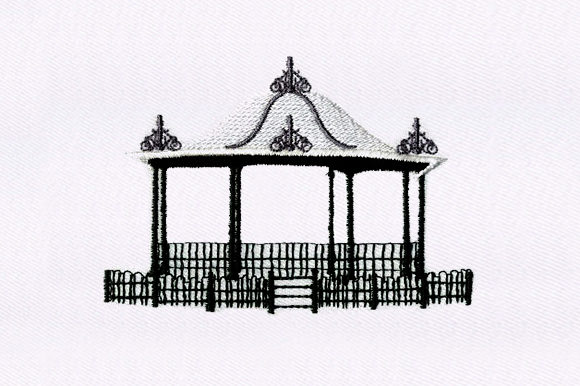
Gazebo Embroidery Design Review for Craft Fairs
As an embroidery designer who has spent countless weekends setting up booths at local markets, I know that the difference between a browser and a buyer often comes down to visual impact. When I first loaded the Gazebo machine embroidery design onto my screen, my immediate thought was about its potential as a standout craft fair product. This isn’t just another generic floral or monogram; it is a detailed architectural piece that brings a sense of structure and elegance to the House category. For those of us running small shops or Etsy stores, finding designs that translate well from digital files to tangible goods is crucial. Let’s dive into how this design performs in the real world of handmade sales.
First Impressions: Elegance Meets Rustic Charm
The Gazebo design strikes a beautiful balance between intricate detail and clear silhouettes. It feels less like a cartoon and more like a premium illustration, which is exactly what modern buyers are looking for. The fine lines and delicate accents mentioned in the description suggest a sophisticated aesthetic that fits perfectly with the current trend of cottagecore and refined rustic decor. When you are scanning a table full of items, your eye is drawn to complexity that doesn’t look chaotic. This design offers that "wow" factor without being overwhelming. It feels decorative yet grounded, making it an excellent choice for customers who appreciate quality Embroidery work that looks expensive but is accessible.
Product Versatility for the Weekend Market
One of the biggest challenges for any Etsy seller or boutique maker is deciding where to place a new design. Does it work on a hat? A towel? A bag? Here is how I see Gazebo performing across various popular items:
- Tote Bags and Market Bags: This is arguably the best home for this design. A canvas tote provides a large, flat surface that allows the fine lines of the gazebo to shine. As a tote bag design, it acts as a focal point that tells a story of leisure and garden parties. It photographs beautifully for online listings because the contrast between the thread and the natural fabric is striking.
- Aprons and Tea Towels: For kitchen textiles, placement is key. On an apron, positioning the gazebo on the bib or lower corner creates a charming apron embroidery detail that feels personal. For tea towel embroidery, ensure the design is scaled correctly so the delicate accents don’t get lost in the weave of the fabric. These make fantastic handmade product gifts for housewarmings.
- Pillow Covers: A centered gazebo on a linen pillow cover elevates the item from a basic cushion to a piece of home decor. It adds texture and visual interest to a living room, appealing to buyers looking to refresh their space without buying new furniture.
- Embroidered Patches: If you offer patches, this design could work well if scaled down, but you must be cautious. The fine lines might require a higher stitch density to maintain clarity on a small scale. An embroidered patch version would need rigorous testing to ensure the details don’t merge into a blob.
Production Practicality and Batch Selling
When preparing for a craft fair, time is money. You need designs that are reliable and repeatable. The Gazebo design appears to be structured in a way that should allow for consistent results, provided you manage your materials well. Because it features fine lines, it is not a "dump and run" design; it requires attention. However, this complexity adds perceived value. Customers are willing to pay more for a finished product that looks intricate and labor-intensive, even if your efficient machine handling keeps production costs reasonable.
For batch production, consistency in thread colors is vital. I recommend sticking to a curated palette—perhaps soft greens, creams, and slate grays—to maintain brand consistency across your booth display. This helps create a cohesive look that makes your table appear professional and curated, rather than cluttered.
Critical Considerations for Best Results
While the design is stunning, there are practical hurdles to consider before you start stitching hundreds of units. The description notes "fine lines and delicate accents," which means this design is sensitive to fabric texture and stabilizer choice.
- Fabric Texture: Avoid highly textured towels or rough burlap for this specific design. The tiny details may get swallowed by the fabric weave. Smooth cotton, linen, or canvas works best to preserve the clarity of the gazebo’s architecture.
- Stabilizer Selection: Given the detail, a cut-away stabilizer is likely safer than tear-away, especially for items that will be washed frequently like aprons and tea towels. This prevents distortion over time and keeps the fine lines crisp.
- Curved Surfaces: Be careful using this on caps. The curved surface of a baseball cap can distort wide designs. If you must use it on headwear, consider scaling it down significantly or placing it on the side panel rather than the front center to minimize distortion.
- Dense Stitch Areas: Check the stitch density in the preview software. If certain areas are too dense, they can cause puckering on lightweight fabrics. Always test on scrap fabric first to adjust tension and density settings.
Maximizing Visual Appeal and Sales
In a crowded market, your booth display needs to stop traffic. The Gazebo design helps with this by offering a recognizable, nostalgic shape that evokes feelings of tranquility and outdoor living. When customers see it, they aren't just seeing threads; they are imagining themselves sitting in that gazebo. This emotional connection drives sales.
To leverage this, create a lifestyle vignette in your booth. Place the embroidered tote next to a straw hat and a fake bouquet of flowers. This context helps buyers visualize the small shop product in their own lives. For your online presence, use high-quality lighting to capture the sheen of the threads. A good printable mockup can help you plan your social media posts, but nothing beats photos of the actual stitched item. Show the back of the embroidery too, if it’s neat, to prove the quality of your craftsmanship.
Designer Notes for Commercial Success
Before you list this as a commercial embroidery item, there are a few final checks. First, verify the hoop size requirements. The description mentions multiple formats, but you must confirm which hoop fits your machine and your intended product. Second, review the license terms. Ensure you have the right to sell finished products made with this digital embroidery file. Most designers allow it, but some have restrictions on volume or platform.
Finally, treat this design as a premium asset. It is not just a quick fill; it is a statement piece. Use it to anchor your collection. Pair it with simpler, complementary designs to create a balanced product line. By respecting the intricacy of the Gazebo and choosing the right materials, you can create a craft fair product that not only sells out but also builds your reputation for quality and taste.
In conclusion, this design is a strong contender for any maker looking to elevate their House decor offerings. It requires care and precision, but the payoff in customer engagement and perceived value is well worth the effort. Happy stitching!