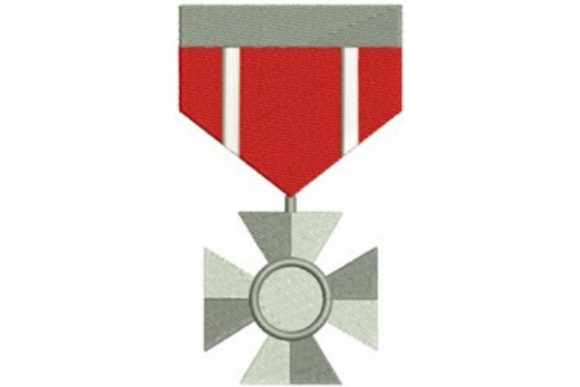
Reviewing the Military Service Medal Embroidery Design
As a designer who spends more time staring at stitch maps than I do sleeping, I have learned that not every machine embroidery design is created equal. Some look stunning on a screen but turn into a tangled mess of thread breaks and puckering on fabric. Others are workhorses—reliable, crisp, and versatile. When I first loaded the Military Service Medal file into my software, I was looking for that specific balance of detail and durability. This isn’t just about aesthetics; it is about whether this design can hold up in a real-world embroidery project, from a custom client order to a batch of items for my small shop.
First Impressions: Mood and Visual Personality
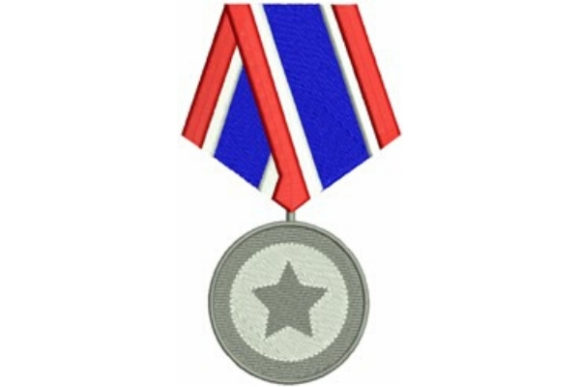
The Military Service Medal design carries a weight of respect and tradition. Visually, it strikes a chord of honor. The layout is symmetrical, which is crucial for medal motifs, as any asymmetry looks like an error rather than a style choice. The design features lovely details that suggest metallic sheen and ribbon texture without requiring thousands of unnecessary stitches. For a designer, this is a win. It means the visual impact is high, but the run time remains manageable.
The mood it creates is formal yet accessible. It does not feel overly aggressive or too delicate. This makes it incredibly versatile. It fits naturally into projects that require a touch of solemnity or pride. Whether you are creating a tribute piece for a veteran or adding a patriotic flair to a summer collection, the visual personality of this embroidery file adapts well. It feels professional, which is exactly what you want when selling design assets or finished goods to a discerning audience.
Real-World Application: From Screen to Stitch
To truly evaluate the Military Service Medal, I imagined a specific scenario. A client approached me with a request for a personalized gift for their grandfather’s retirement from service. They wanted a high-quality sweatshirt embroidery piece that felt substantial but not stiff. This is where the rubber meets the road. Would this design work on a heavy cotton blend?
In this context, the design shines. The stitch types appear to be a mix of satin stitch for the borders and finer details, and fill stitch for the broader areas of the medal and ribbon. This combination provides excellent coverage. On a sweatshirt, the fill stitches lay flat against the fleece, while the satin edges provide a clean, defined border that prevents the design from looking fuzzy after multiple washes. For an Etsy seller or a craft business owner, this reliability is gold. You do not want to deal with returns because a design looked muddy on a dark garment.
Beyond apparel, I see this working beautifully as an embroidered patch. If you stabilize correctly and use a cut-away backing, this motif could be stitched out on twill, trimmed, and heat-sealed onto a tote bag design or a canvas jacket. The compact nature of the medal shape makes it ideal for placement on pockets, collars, or even the cuff of a sleeve. It is a small shop product staple because it offers high perceived value in a relatively small footprint.
Fabric Considerations and Technical Nuances
While the Military Service Medal is described as high-quality, no design is immune to poor fabric choices. Here is where my experience as a reviewer comes into play. You must consider stitch density. If the density is too high for a lightweight fabric, you will experience puckering. I recommend testing this on scrap fabric first, especially if you are working with thin materials like poly-cotton blends used in standard t-shirts.
For textured fabrics, such as waffle-knit towels or rough canvas, the design’s clarity might suffer slightly if the threads sink into the weave. In these cases, using a top stabilizer or water-soluble film is non-negotiable. This ensures that the thread colors pop and the fine lines of the medal remain sharp. If you are stitching on stretchy fabric, like a baby onesie for baby embroidery, you must use a hoop that supports the fabric fully and a stabilizer that counteracts the stretch. The detailed corners of the medal need a stable foundation to avoid distortion.
Dark fabrics present another challenge. The contrast between the thread and the material is vital for this design to read clearly. If you are using dark thread on a black shirt, the details will vanish. I always advise checking your thread color combinations in a black-and-white mockup before stitching. This helps you verify that the light and shadow elements of the medal are distinct enough to be recognized from a distance.
Commercial Viability and Customer Trust
For those running a commercial embroidery operation, the Military Service Medal is a strong addition to your library. It appeals to a specific niche that values quality and accuracy. When customers see a crisp, well-stitched medal on a personalized gift, it builds trust. It signals that you pay attention to detail. This is crucial for brand consistency. If your portfolio is filled with sloppy stitches, one bad project can tarnish your reputation. Conversely, a flawless execution of this design can lead to repeat business and referrals.
This design also works well for holiday embroidery projects, particularly around Veterans Day or Memorial Day. Shops can create limited-edition custom apparel or home decor items like pillow covers. The key is marketing the emotional connection. The design itself is the vehicle for that sentiment. By ensuring the finished product is of high quality, you enhance the giftability of the item. People are willing to pay more for something that looks professional and carries meaning.
Practical Designer Notes for Best Results
Before you commit to a large production run or a high-stakes client project, keep these practical tips in mind:
- Check the License: Always confirm the licensing terms provided with the digital embroidery file. Ensure you have the right to sell finished items if you are a small business owner.
- Test on Scrap: Never stitch a new design directly on your final garment. Use a similar fabric scrap to test tension and density.
- Stabilizer Selection: Match your stabilizer to your fabric. Cut-away for knits, tear-away for woven stable fabrics. Do not skimp here.
- Hoop Size: Verify the required hoop size before starting. Ensure your machine can accommodate it, especially if you are working on curved surfaces like caps.
- Thread Quality: Use high-quality rayon or polyester threads. Cheap thread can break under the tension of dense fill areas, ruining the look of the medal.
- Mockups: Create printable mockups to show clients how the design will look on different colored garments. This manages expectations and reduces revisions.
In conclusion, the Military Service Medal is a robust and aesthetically pleasing addition to any designer’s toolkit. It respects the subject matter with dignified detailing and offers the technical reliability needed for professional results. Whether you are an experienced embroidery veteran or a hobbyist looking to elevate your handmade product line, this design deserves a spot in your folder. Just remember, the best design is only as good as the execution. Take your time, choose your materials wisely, and let this motif speak for itself.