Reviewing Celtic Circle for Personalized Gifts
As an embroidery designer who has spent years digitizing and testing patterns for small businesses, I approach every new machine embroidery design with a critical eye. It is not just about whether the pattern looks good on a screen; it is about how it performs under the needle, how it feels to the touch, and ultimately, how it resonates with the person receiving the finished item. Recently, I had the opportunity to test Celtic Circle, a design from the Around The World category, specifically to evaluate its potential for personalized gift products. My goal was to determine if this digital file could meet the high standards required by Etsy sellers, boutique owners, and crafters who rely on consistent quality for their livelihood.
First Impressions: Mood and Aesthetic Appeal
The first thing that struck me about Celtic Circle was its timeless elegance. Unlike trendy motifs that may feel dated within a season, this design carries a classic, enduring charm. The interlocking lines typical of Celtic art evoke a sense of continuity and connection, making it emotionally appealing for gifts meant to last a lifetime. The mood is sophisticated yet warm, striking a balance between traditional heritage and modern simplicity. It does not feel overly playful or childish, nor is it starkly minimalist. Instead, it possesses a handmade quality that suggests care and intention, which is exactly what customers look for when purchasing a personalized gift.
From a visual standpoint, the design is clean. Because it is digitized by hand, the flow of the stitches appears organic rather than rigid. This attention to detail is crucial for maintaining the integrity of the curves, ensuring that the final product looks professional rather than mass-produced. For designers creating items like wedding keepsakes or nursery decor, this aesthetic versatility is a significant advantage.
Versatility Across Product Lines
One of the strongest attributes of Celtic Circle is its adaptability. The product description notes that it is available in six sizes, which is a vital feature for any serious Etsy seller or small shop owner. Having multiple size options allows you to scale the design appropriately for different applications without losing clarity or causing puckering.
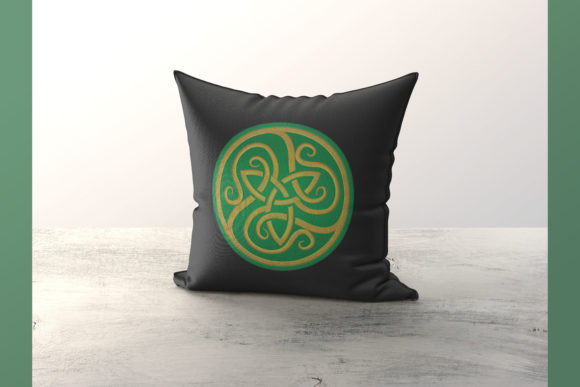
I envision this design performing exceptionally well on home decor items. For instance, stitched onto a linen pillow cover, the intricate loops of the circle add texture and visual interest without overwhelming the fabric. It would also make a stunning addition to an embroidered towel for a housewarming gift, provided the stitch density is managed correctly to maintain absorbency. For those in the baby market, this design could be scaled down for baby embroidery projects, such as monogrammed blankets or nursery wall hangings. The symbolic nature of the circle represents unity and protection, themes that resonate deeply with new parents.
Furthermore, this design is ideal for wedding gifts. Imagine a custom tote bag or an apron featuring Celtic Circle as a central motif for a bridal party. The classic style complements both rustic and formal wedding themes. For custom embroidery businesses, offering this as part of a "heritage" or "tradition" collection could attract buyers looking for meaningful, non-generic presents.
Technical Considerations and Fabric Choices
While the design is beautiful, practical application requires careful planning. As with any digital embroidery file, success depends on matching the design to the right materials. I recommend paying close attention to fabric texture. On smooth, tightly woven fabrics like cotton sateen or linen, the details of the Celtic knots will pop beautifully. However, on textured fabrics like terry cloth towels or fuzzy fleece, some of the finer details might get lost. In such cases, using a larger size from the available six options is advisable to ensure the design remains legible.
Another critical factor is stitch density. Although the exact stitch count is not provided in the brief, experienced embroiderers know that dense designs can cause puckering on lightweight fabrics. Before running a full production batch, always test on scrap fabric similar to your final product. Use the appropriate stabilizer—cut-away for stretchy knits like t-shirts and sweatshirts, and tear-away for stable wovens like pillowcases. This step is non-negotiable for maintaining the shape and durability of the finished product.
Color choice also plays a pivotal role. The design’s impact changes dramatically depending on thread colors. A monochromatic look using varying shades of blue or green can highlight the depth of the interlacing lines, while a high-contrast combination, such as white thread on navy fabric, creates a bold, graphic statement. I suggest creating printable mockup images in both light and dark variations to show potential customers how versatile the design can be.
Navigating Challenges in Production
There are specific scenarios where Celtic Circle should be used with caution. If you are stitching on curved surfaces, such as the sleeve of a baby onesie or the corner of a tote bag, hooping can be tricky. Ensure your hoop size is adequate for the selected design size to avoid distortion. Additionally, be mindful of small lettering if you plan to combine this motif with text. The intricate nature of the Celtic knots means that adding too much text nearby can create visual clutter. Keep typography simple and spaced adequately from the main design.
For items that require frequent washing, such as kitchen towels or baby clothes, durability is key. Verify that the thread quality is high and that the backing is secure. A poorly stabilized design may unravel or pucker after several wash cycles, which can damage your reputation as a provider of high-quality handmade product items. Always check the small details after stitching and washing a test piece to confirm longevity.
Enhancing Perceived Value and Customer Trust
From a business perspective, Celtic Circle has the potential to significantly boost perceived value. Customers often associate complex, traditional patterns with higher craftsmanship. When they see the precision of the stitches and the thoughtful composition, it builds trust in your brand. This emotional connection is what transforms a simple transaction into a loyal customer relationship.
For commercial embroidery use, ensure you review the licensing terms included with the download. While the description mentions these are digital files, confirming commercial rights is essential before selling finished goods. Once cleared, this design can become a staple in your portfolio. Use high-quality photography to showcase the texture and dimension of the stitches. Close-up shots that highlight the hand-digitized quality can differentiate your listings from competitors using lower-quality, auto-digitized patterns.
Final Verdict for Makers and Sellers
In conclusion, Celtic Circle is a robust and versatile addition to any embroidery designer’s library. Its strength lies in its classic appeal and adaptability across various product types, from blanket embroidery to apparel. For baby product creators, wedding gift designers, and general crafters, it offers a meaningful motif that speaks to tradition and connection. However, its success relies on technical diligence: choosing the right stabilizer, testing on specific fabrics, and selecting appropriate thread colors.
If you are looking to expand your range of small shop product offerings with something that feels both elegant and heartfelt, this design is worth considering. Just remember to verify all technical specifications, such as exact hoop compatibility and file formats, upon download. With proper execution, Celtic Circle can help you create memorable, high-quality gifts that customers will cherish for years to come.