Giraffe Sitting in Train: A Designer’s Review
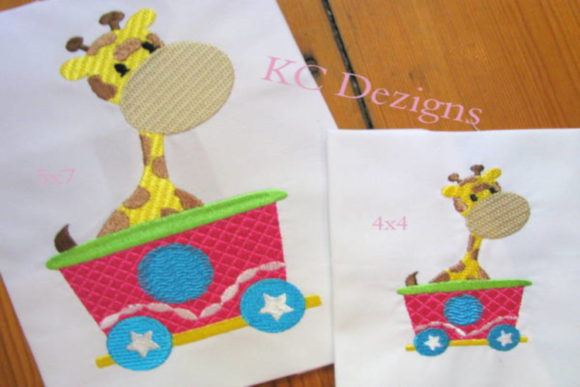
As an embroidery designer who has spent years digitizing and testing files for commercial use, I approach every new machine embroidery design with a critical eye. It is not just about whether the image looks cute on a screen; it is about how it translates to fabric, how it holds up under the needle, and ultimately, how it serves the brand identity of the small business owner purchasing it. Recently, I reviewed the Giraffe Sitting in Train design, a charming piece categorized under Boys and Embroidery, to determine its viability for professional merchandise applications.
The first impression of this design is undeniably friendly and playful. The concept of a giraffe seated comfortably in a train car evokes a sense of whimsical adventure, making it an excellent candidate for brands that want to project warmth, creativity, and approachability. For small business owners, particularly those in the handmade product sector, this visual personality can be a powerful tool. It moves beyond simple decoration to become a narrative element that engages customers, especially parents looking for unique items for children or buyers seeking cheerful, distinctive decor.
Evaluating Visual Impact and Brand Identity
When integrating Giraffe Sitting in Train into your product line, consider how it aligns with your brand identity. This design does not scream corporate rigidity; instead, it suggests a boutique atmosphere, a creative studio, or a family-oriented local business. If you run a bakery, a florist, or a pet brand, this motif can serve as a delightful accent on packaging or staff uniforms. It adds a layer of human touch to the finished product, signaling to the customer that care and attention to detail went into the creation process.
However, professionalism in embroidery is defined by execution. While the theme is playful, the stitching must be precise. A sloppy application of a cute design can undermine customer trust. Therefore, before committing to a large run of custom apparel or branded goods, you must evaluate the digitization quality. Does the design maintain its integrity when scaled down? Are the transitions between thread colors smooth? These are the questions that separate amateur hobbyists from successful merch creators.
Practical Applications for Small Business Merch
The versatility of this design allows it to shine across various mediums. Here is how I envision Giraffe Sitting in Train performing in real-world commercial embroidery projects:
- Embroidered Patches: This is perhaps the strongest application. A patch allows for controlled hooping and high-quality finishing. You can create iron-on or sew-on patches for tote bags, denim jackets, or lunch boxes. The distinct outline of the train and giraffe makes it ideal for a merrowed edge or a satin stitch border, creating a premium feel.
- Cap Embroidery: Placing this design on the front panel of a baseball cap can be tricky due to the curved surface. However, if the design is compact, it works well as a center chest or side sleeve accent on work shirts. For caps, ensure the design width fits within the standard 2.5 to 3-inch limitation of most cap frames to avoid distortion.
- Tote Bag Design: Canvas tote bags are a staple for Etsy sellers and boutique shops. The sturdy fabric provides an excellent base for this design. The contrast of the colorful threads against natural canvas can highlight the details of the giraffe and train, making it a standout feature for grocery getters or book bags.
- Apron Embroidery: For cafes, bakeries, or craft studios, branded aprons are essential. Stitching this design on the bib or pocket area adds a personalized touch that customers notice. It reinforces the handmade aesthetic of the business and serves as a walking advertisement.
- Quilt Blocks and Home Decor: As noted in the description, this design is perfect for quilt blocks. Quilters and home decor artisans can use it as a focal point in baby quilts or nursery wall hangings, expanding the market beyond apparel into home goods.
Technical Considerations and Production Notes
Before you load the digital embroidery file into your machine, there are several technical factors to address. The product description mentions it is suitable for any kind of garment, but experienced designers know that fabric texture plays a crucial role. Textured fabrics like terry cloth or heavy fleece may obscure fine details. Conversely, smooth cotton or poly-blends will showcase the stitch definition better.
Stitch density is another critical factor. If the design is too dense, it can cause puckering, especially on lighter fabrics. I recommend testing the design on a scrap piece of the actual material you intend to use. Always use the appropriate stabilizer. For stretchy garments like t-shirts, a cut-away stabilizer is often necessary to prevent the design from distorting after washing. For woven fabrics like tote bags or aprons, a tear-away stabilizer might suffice, but a heat-seal backing can add extra professionalism to patches.
Additionally, check the thread colors. The default color map in the embroidery file may not match your brand palette. Most modern machines allow you to edit color stops. Ensure there is enough contrast between the giraffe, the train, and the background. If you are stitching on dark uniforms, you may need to add an underlay or adjust the thread shades to ensure the design pops rather than getting lost in the fabric.
Where to Use Caution
While versatile, Giraffe Sitting in Train is not without its limitations. Avoid using this design at extremely small sizes, such as on a tiny collar tag or a small cuff label. Intricate details like the train wheels or the giraffe’s features may merge together, resulting in a muddy appearance. Always verify the minimum recommended size provided with the embroidery file.
Also, be cautious with items that undergo frequent, harsh washing, such as industrial uniforms. While embroidery is durable, the raised stitches can catch on other materials. For high-wear items, consider placing the design in a protected area, such as the upper back or inside a pocket flap, rather than on the outer sleeve where it might snag.
Final Verdict for Commercial Use
To maximize the potential of this design, create a printable mockup for client approval before stitching. This helps visualize how the design assets interact with the garment color and style. Compare it beside other design elements in your collection to ensure visual consistency. If your brand uses minimalist logos, this playful illustration might clash unless used sparingly as a seasonal accent.
Crucially, confirm the commercial licensing terms. The description states "THIS IS A MACHIN," implying it is a machine embroidery file, but you must verify if the license allows for unlimited physical sales or if there are restrictions. Never assume; always read the license agreement included with the download.
In conclusion, Giraffe Sitting in Train is a strong contender for small business merch, particularly for brands targeting families, children, or creative niches. Its charm lies in its simplicity and narrative quality. By paying attention to hoop size, stabilizer choice, and fabric compatibility, you can transform this digital file into a high-value tangible product. Whether used for a boutique’s signature tote bag or a local cafe’s staff apron, this design has the potential to enhance brand recognition and drive buyer engagement through its unique, handmade appeal.