Funny Monster: A Designer’s Review for Boutique Apparel
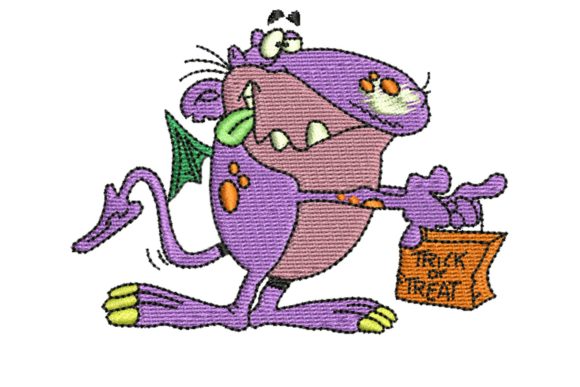
As an embroidery designer who spends countless hours digitizing and testing files for boutique collections, I am always on the lookout for designs that balance whimsy with technical reliability. When I stumbled upon Funny Monster on Creative Fabrica, my immediate interest was piqued by its potential for seasonal apparel. The product description highlights its excellence for creating Trick or Treat bags, citing the original clipart by Ron Leishman from Toonaday.com. However, my eye was drawn not just to its utility for accessories, but to how this playful motif could elevate a small sweatshirt or hoodie collection for an online shop.
In the world of machine embroidery design, finding a graphic that translates well from digital screen to fabric is crucial. This review explores how Funny Monster performs when applied to real-world garments, offering insights for apparel decorators, Etsy sellers, and creative entrepreneurs looking to expand their Halloween or novelty offerings.
First Impressions: Visual Personality and Stitching Mood
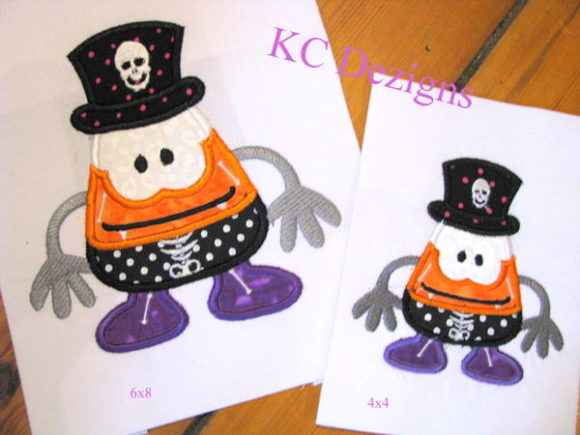
The first thing you notice about Funny Monster is its distinct visual personality. It leans heavily into the playful and cute aesthetic, which is a significant departure from the scary or gore-focused imagery often saturated in the Halloween market. For a boutique brand, this is a strategic advantage. It allows for a softer, more approachable take on seasonal trends, appealing to parents buying for children, teens who prefer ironic or cozy vibes, and adults who enjoy whimsical fashion.
The detail level appears moderate, which is ideal for commercial embroidery. Overly complex designs can become muddy on textured fabrics like fleece, while too-simple designs may lack perceived value. Funny Monster seems to strike a balance, offering enough decorative strength to stand out as a focal point without requiring excessive stitch counts that might stiffen the garment. The mood is decidedly casual and trendy, fitting perfectly into the current demand for comfortable, expressive clothing.
Apparel Applications: From Sweatshirts to Totes
When planning a collection, versatility is key. Here is how I envision using this embroidery file across different garment types:
- Sweatshirt Embroidery: On neutral sweatshards, such as heather grey or oatmeal, the vibrant thread colors of a monster design pop beautifully. The contrast creates a high-end look that justifies a higher price point for your small shop product.
- Hoodie Design: For a classic chest placement, this design works well on pastel hoodies. The softness of the pastel background complements the cute nature of the monster, making it feel like a premium, boutique item rather than mass-produced merchandise.
- T-Shirt Embroidery: Placed on the left chest of a black or navy t-shirt, the design adds a subtle touch of personality. It is small enough to be professional yet distinctive enough to serve as a conversation starter.
- Tote Bag Design: As suggested by the original description, this is excellent for Trick or Treat bags. Canvas totes provide a stable surface for embroidery, allowing the stitches to lay flat and crisp. This expands your product line beyond apparel into accessories.
- Denim Jackets: For a bolder statement, consider placing a larger version on the back of a denim jacket. The rugged texture of denim contrasts nicely with the soft, rounded lines of a cartoon monster, creating a unique streetwear vibe.
Technical Considerations for Professional Results
While the artistic appeal is strong, the technical execution determines whether a finished product looks amateur or professional. Before running this design on customer orders, there are several critical factors to consider.
Fabric Texture and Stabilizer: If you are working with fleece or heavy cotton blends, the fabric texture can impact how the stitches sit. I always recommend testing on scrap fabric first. For stretchy materials like ribbed cuffs or lightweight jersey tees, a cut-away stabilizer is essential to prevent puckering. The stitch density of the design must be compatible with the fabric weight; if the design is too dense for a thin t-shirt, it may cause wrinkling or distortion.
Hoop Size and Placement: Confirm the hoop size required for the design before purchasing. For sleeve accents or small chest logos, a smaller hoop is preferable. However, if you plan to use it as a large back piece, ensure your machine can accommodate the necessary dimensions. Curved surfaces, such as the shoulder of a hoodie, require careful hooping techniques to avoid shifting during stitching.
Thread Color Contrast: Since Funny Monster likely relies on specific color blocking to define its features, thread choice is vital. On dark garments, ensure you use bright, high-contrast threads. On light garments, you might opt for slightly muted tones for a vintage look. Always check the thread colors against your garment stock to ensure visual consistency.
Enhancing Brand Identity and Buyer Trust
For an Etsy seller or handmade business owner, the design you choose reflects your brand identity. Using a high-quality, well-digitized file like Funny Monster contributes to professional presentation. When customers see clean, precise stitching with no loose threads or misalignments, their trust in your brand increases. This leads to better reviews and repeat business.
Moreover, unique designs help with product recognition. In a sea of generic holiday graphics, a curated selection of whimsical monsters can become a signature element of your boutique brand. It signals to buyers that you pay attention to detail and offer something they cannot find in big-box stores.
Marketing and Visual Consistency
Once you have created your custom apparel, the next step is presentation. This design lends itself well to lifestyle product photos. Imagine a cozy autumn scene with a model wearing the embroidered hoodie, holding a pumpkin spice latte. Such imagery enhances customer engagement on social media.
You can also use the digital assets to create printable mockups for your online listings. Showing the design on various colors and garment types helps customers visualize the final product, reducing hesitation and potentially increasing conversion rates. Consistent use of this style across your commercial embroidery products creates a cohesive shop aesthetic.
Important Licensing and Production Notes
Before launching your collection, it is imperative to review the licensing terms provided on Creative Fabrica. While the product description mentions its use for Trick or Treat bags, you must confirm whether the license covers finished physical goods for sale, such as apparel. Never assume; always read the specific digital embroidery file license details.
Additionally, since the original artwork is by Ron Leishman, ensure that the embroidery digitization respects the intellectual property rights associated with the character. Most Creative Fabrica products come with commercial use rights for physical items, but verifying this protects your business from potential legal issues.
Finally, do not rely solely on the preview images. Download the file and inspect the stitch path in your embroidery software if possible. Check for any unnecessary jumps or trims that could slow down production. Testing on similar garment fabric is the only way to guarantee quality. Adjust your tension and speed based on these tests to ensure every piece meets your standards.
In conclusion, Funny Monster offers a charming, versatile option for designers looking to add a touch of whimsy to their seasonal collections. With careful attention to technical details and licensing, it can be a valuable asset in creating standout handmade products that resonate with customers seeking unique, high-quality apparel.