Colored African Map: A Designer’s Review
As an embroidery designer who has spent countless weekends behind a craft fair table, I know that not every digital file translates into a bestseller. We have all been there: staring at a screen, wondering if a specific machine embroidery design will actually stop a shopper in their tracks or just blend into the background noise of a busy market. Today, I am pulling back the curtain on my latest test run with the Colored African Map. This is not just about aesthetics; it is about viability, production speed, and that elusive "wow" factor that turns browsers into buyers.
First Impressions: Bold, Modern, and Culturally Rich
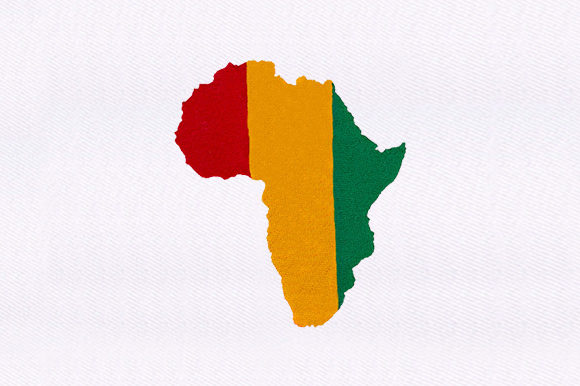
When I first loaded the Colored African Map into my editing software, the immediate impression was one of vibrant confidence. This is not a shy, minimalist outline. It is a bold statement piece. The use of color suggests a modern, decorative approach that feels both educational and artistic. For a craft fair environment, where you have seconds to capture attention, this design screams "look at me." It does not feel rustic or farmhouse; rather, it leans toward a contemporary, global aesthetic that appeals to a wide demographic, from teachers and travelers to those celebrating heritage.
The design sits comfortably in the 6×6 hoop category, with dimensions of 5.25 inches wide by 5.75 inches high. This is a sweet spot for versatility. It is large enough to be a focal point but compact enough to fit on standard home decor items without overwhelming the fabric. With a stitch count of 22,954, it is substantial. This indicates good coverage and density, which usually translates to a premium look in person, but it also means we need to be mindful of production time.
Product Potential: Where This Design Shines
The real test for any embroidery file is its application. I mentally walked through my typical booth setup, imagining where the Colored African Map would perform best. Here is my breakdown of potential products:
- Tote Bags: This is arguably the strongest contender. A canvas tote with this map centered creates an instant tote bag design that is functional and fashionable. The sturdy fabric handles the stitch density well, and the size is perfect for a shoulder bag.
- Aprons: For the culinary crowd, an apron embroidery featuring this map adds a touch of worldly flair. It works beautifully on the bib section, acting as a conversation starter for home cooks who love travel or cultural cuisine.
- Pillow Covers: A linen or cotton pillow cover with this design becomes a high-value home decor item. The colors pop against neutral fabrics, making it a standout handmade product for interior design enthusiasts.
- Educational Items: Think beyond decor. This design is perfect for school projects, library bags, or teacher appreciation gifts. It has an inherent educational value that parents and educators appreciate.
While I considered caps, the 5.25-inch width might be too wide for a standard front panel without distortion. However, it could work on a trucker hat with a larger mesh panel or as a back-panel feature. For tea towel embroidery, the density might be too high for thin flour sack towels, causing puckering unless heavily stabilized. I would recommend thicker waffle-weave towels for this application.
Production Reality: Stitch Density and Fabric Choice
Let’s talk numbers. At nearly 23,000 stitches, this is not a quick "fill and go" job. The stitch density is significant. In my experience, this level of detail requires careful attention to stabilizer choice. I strongly recommend using a cut-away stabilizer for stretchy fabrics like jersey knits or lightweight totes to prevent distortion over time. For woven cottons, a heavy tear-away might suffice, but given the color blocks, I prefer the security of cut-away to maintain the crisp edges of the map.
The thread colors are crucial here. Since the design is titled "Colored," it likely relies on distinct hues to define regions or artistic elements. When producing this as a commercial embroidery item, consistency is key. You must ensure your thread inventory matches the design’s palette. If you substitute colors, do so thoughtfully to maintain contrast. Dark fabrics can be tricky; if the design includes dark blues or blacks, they may vanish on navy or black fabric. Always stitch out a test sample on your intended fabric color before committing to a batch.
Selling Strategy: Visual Appeal and Customer Engagement
For an Etsy seller or boutique maker, photography is everything. The Colored African Map photographs exceptionally well because of its defined shapes and vibrant palette. It creates a strong visual anchor in product photos. When creating your printable mockup or listing images, ensure the lighting highlights the texture of the stitches. Buyers want to see the quality of the finished product.
This design also lends itself to storytelling. In your product descriptions, you can discuss the inspiration behind the map, the joy of travel, or the beauty of African geography. This narrative adds value to your small shop product and helps connect emotionally with buyers. It is not just a map; it is a celebration of place and culture.
Practical Designer Notes for Success
Before you launch this design into your store, keep these critical checks in mind:
- Test on Scrap Fabric: Never skip this step. Check for thread breaks, nesting, or registration issues, especially where color changes occur.
- Check Hoop Size Compatibility: The design requires a 6×6 hoop (133.3×146.0 mm). Ensure your machine can handle this size comfortably.
- Review File Formats: The package includes 10O, ART, CND, DSB, DST, DSZ, EXP, HUS, JEF, PCS, PEC, PES, TAP, and VIP. Verify that your specific machine reads the format you choose. PES and DST are the most universal, but always double-check.
- Commercial Licensing: Confirm the license terms. Most digital embroidery files allow for physical sales of finished goods, but restrictions may apply to digital resale. Always read the fine print.
- Batch Production Planning: Given the stitch count, calculate your machine time. If you plan to sell these at a craft fair, ensure you have enough inventory pre-made, as stitching these live might be too slow to meet demand.
In conclusion, the Colored African Map is a robust, visually striking addition to any embroidery portfolio. It bridges the gap between educational and decorative, offering versatile applications for tote bags, aprons, and home decor. With careful attention to stabilizer choice and fabric selection, it can become a staple craft fair product that draws eyes and drives sales. It is a design that respects the craft while delivering modern appeal, making it a smart choice for the serious embroidery entrepreneur.