Beach Lion 01 Applique: A Designer’s Practical Review
As an embroidery designer who has spent years digitizing and testing thousands of files, I have learned that the true value of a machine embroidery design is not found in its thumbnail image, but in how it behaves under the needle. When I first pulled up the Beach Lion 01 Applique Design, my initial reaction was one of cautious optimism. The concept fits neatly into the popular Baby Animals category, yet it carries a whimsical charm that appeals to a broader audience. However, charm alone does not make a sellable product. I needed to know if this applique design would hold up in real-world production, from custom client orders to bulk runs for my small shop.
First Impressions and Visual Personality
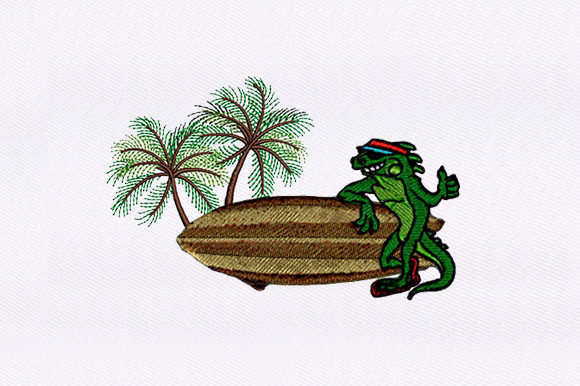
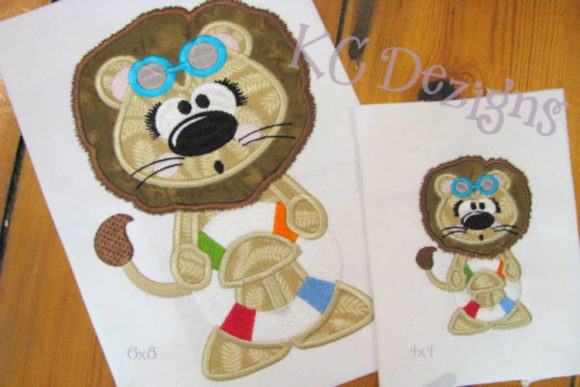
The layout of the Beach Lion is clean and intentional. Unlike some overly complex digitizations that rely on excessive fill stitch density to create shape, this design leverages the power of applique fabric to do the heavy lifting. This is a critical distinction for any serious crafter. By using fabric for the main body of the lion, the design reduces bulk and stitch count, which is essential for maintaining the drape and comfort of garments like t-shirts or baby onesies.
The mood created by this design is playful and relaxed, perfectly suited for summer-themed collections or nursery decor. The lines are smooth, suggesting that the satin stitch borders are well-balanced to cover raw edges without puckering. For an Etsy seller or boutique owner, this visual clarity is vital. Customers scrolling through digital listings need to instantly recognize the subject matter. The Beach Lion achieves this with a silhouette that remains distinct even at smaller scales.
Real-World Application: The Tote Bag Test
To truly evaluate the Beach Lion 01 Applique Design, I decided to test it on a project that demands durability and visual impact: a canvas tote bag. Tote bags are a staple for craft fairs and personalized gifts, but they present unique challenges due to the textured weave of the fabric. I selected a natural cotton canvas and paired it with a contrasting teal applique fabric to make the lion pop.
The stitching process revealed the design’s strengths. The placement stitches were accurate, allowing me to secure the fabric before the machine began the tack-down sequence. The subsequent running stitch and satin border worked in harmony to lock the layers together. What impressed me most was how the design handled the texture of the canvas. Because the applique technique minimizes dense stitching in the center of the motif, the final product did not feel stiff or board-like. This is a common complaint with poorly digitized files, but here, the finished product remained soft and flexible.
This success translates directly to other applications. Whether you are creating sweatshirt embroidery for a family reunion or designing a personalized gift for a baby shower, the reduced bulk ensures comfort. For custom apparel, this means the design sits flat against the chest or back, rather than pulling away from the fabric due to weight.
Navigating Fabric and Hoop Constraints
While the design performs well on stable fabrics like canvas and denim, caution is required when working with stretchy or thin materials. If you plan to use this on a lightweight jersey knit for a baby outfit, proper stabilization is non-negotiable. I recommend using a cut-away stabilizer for garments that will undergo frequent washing, as this provides long-term support for the stitch density along the borders.
The availability of three hoop sizes in the ZIP file is a significant advantage. It allows for versatility across different products. However, users must be mindful of the smallest size. When scaling down, the intricate details of the lion’s face and mane must remain clear. I advise running a test stitch on scrap fabric identical to your final material. Check if the thread colors provide enough contrast against the applique fabric. On dark fabrics, ensure your satin border is wide enough to cover any potential fraying of the underlying material.
Curved surfaces, such as caps or hats, require extra attention. While the design can work on structured caps, the applique fabric must be hooped securely to prevent shifting. For unstructured caps, the weight of the multiple layers might cause sagging, so consider using a lighter-weight applique fabric like batiste or thin cotton rather than heavy felt.
Commercial Viability and Brand Consistency
For those running a craft business or selling digital embroidery files, consistency is key to building brand trust. The Beach Lion 01 Applique Design offers a professional finish that enhances perceived value. When customers receive a handmade product with clean edges and no loose threads, they are more likely to leave positive reviews and return for future purchases.
This design also lends itself well to seasonal marketing. It fits seamlessly into holiday embroidery collections for summer vacations, beach-themed parties, or zoo-inspired nursery sets. By incorporating this design into a cohesive line of design assets, you can create matching sets—such as a towel, a bib, and a patch—that encourage larger basket sizes on your online store.
Furthermore, the versatility of the file formats included—DST, EXP, HUS, PES, SEW, VIP, VP3, JEF, and XXX—ensures compatibility with a wide range of machines. This broad compatibility is crucial for commercial embroiderers who may switch between brands or upgrade equipment. It removes the barrier of needing to convert files, which can sometimes introduce errors in stitch pathing.
Practical Notes for the Serious Embroiderer
Before launching this design into your production line, consider these technical checks:
- Test on Scrap Fabric: Always stitch a sample on the exact fabric type you intend to use. This reveals issues with tension, puckering, or registration before you cut into expensive material.
- Check Thread Contrast: Ensure the border thread color contrasts sufficiently with both the applique fabric and the base garment. Low contrast can make the design look muddy from a distance.
- Review Stitch Density: While applique reduces overall density, the satin borders must be tight enough to prevent fraying after multiple washes. Adjust your tension if necessary.
- Confirm Licensing: If you plan to sell finished items or use the design in commercial projects, verify the license terms provided with the download. Most designers allow sales of physical goods but restrict the resale of the digital file itself.
- Mockup Testing: Create printable mockups or digital previews in black and white to ensure the shape holds up without color reliance. This helps in assessing the structural integrity of the design.
Final Verdict
The Beach Lion 01 Applique Design is a solid addition to any embroiderer’s library. It balances aesthetic appeal with technical practicality, making it suitable for both novice hobbyists and experienced professionals. Its strength lies in its adaptability—working equally well on a rugged tote bag or a delicate baby blanket. By respecting the limitations of fabric and hoop size, and by prioritizing proper stabilization, you can leverage this design to create high-quality, profitable small shop products. It is not just a cute image; it is a functional tool for creating memorable, tangible goods that customers love to wear and use.